
Empowering Teaching through NEP 2022 | Panchaadi Approach

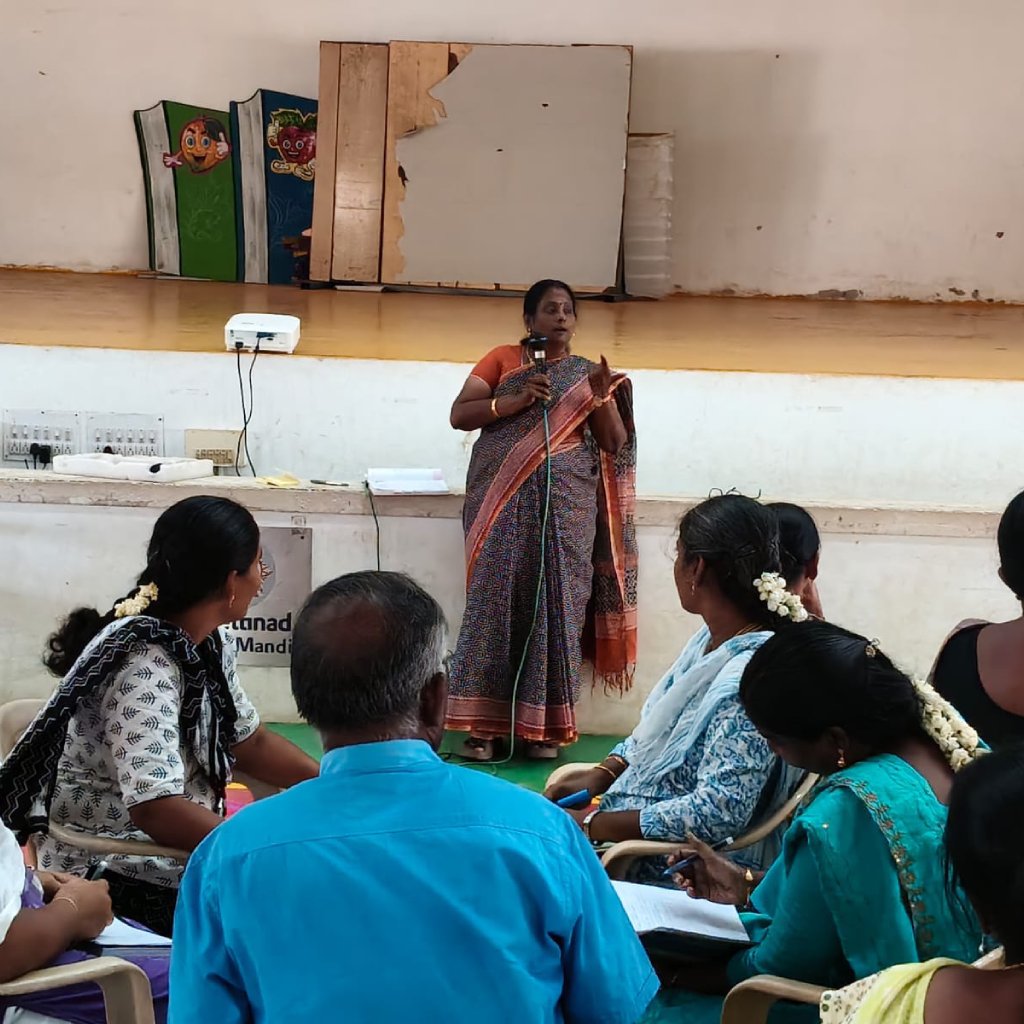
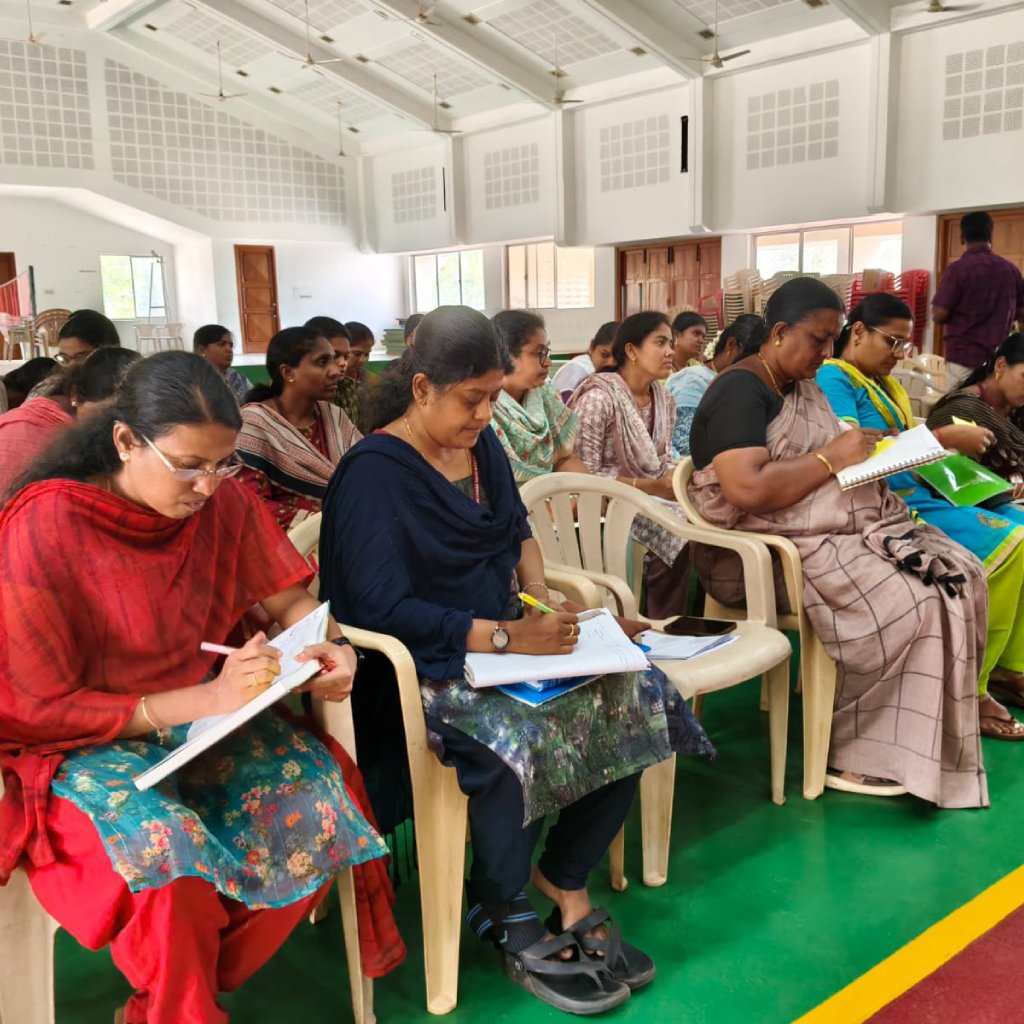
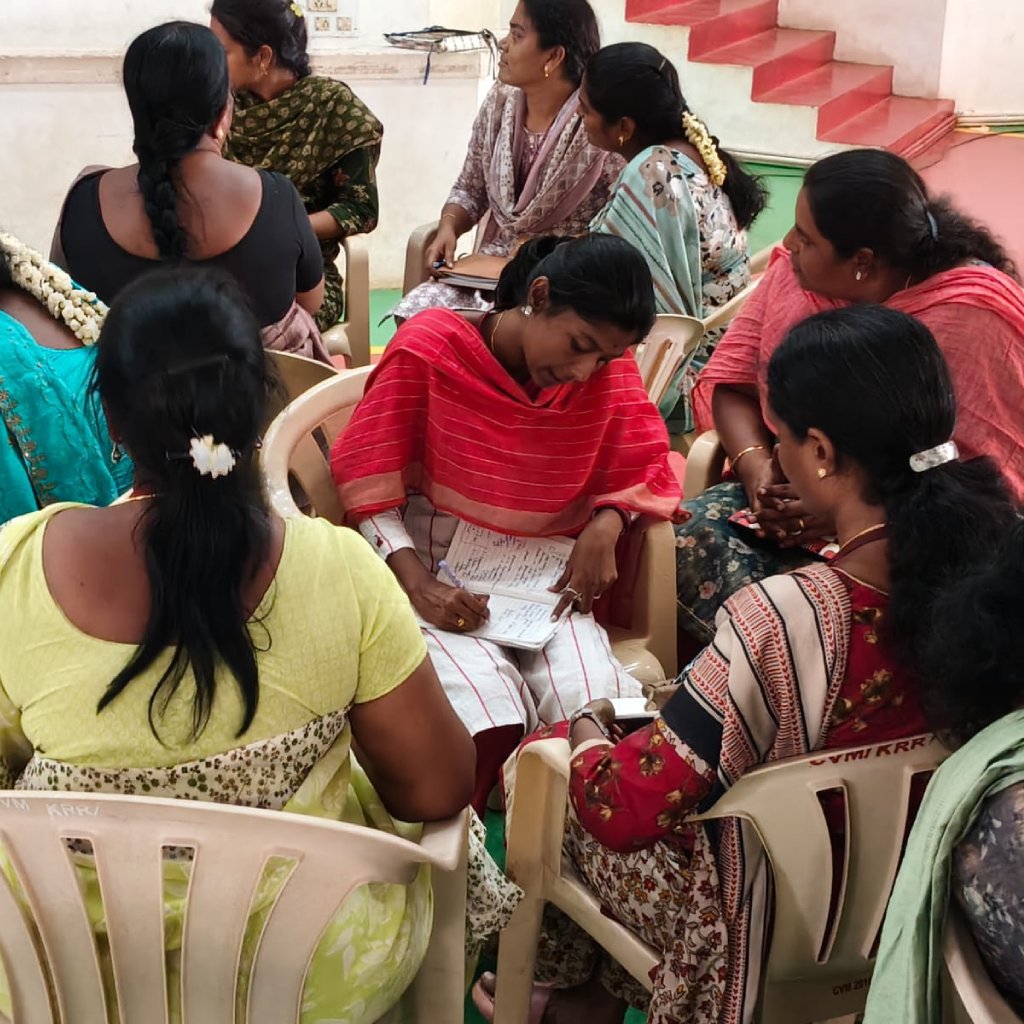
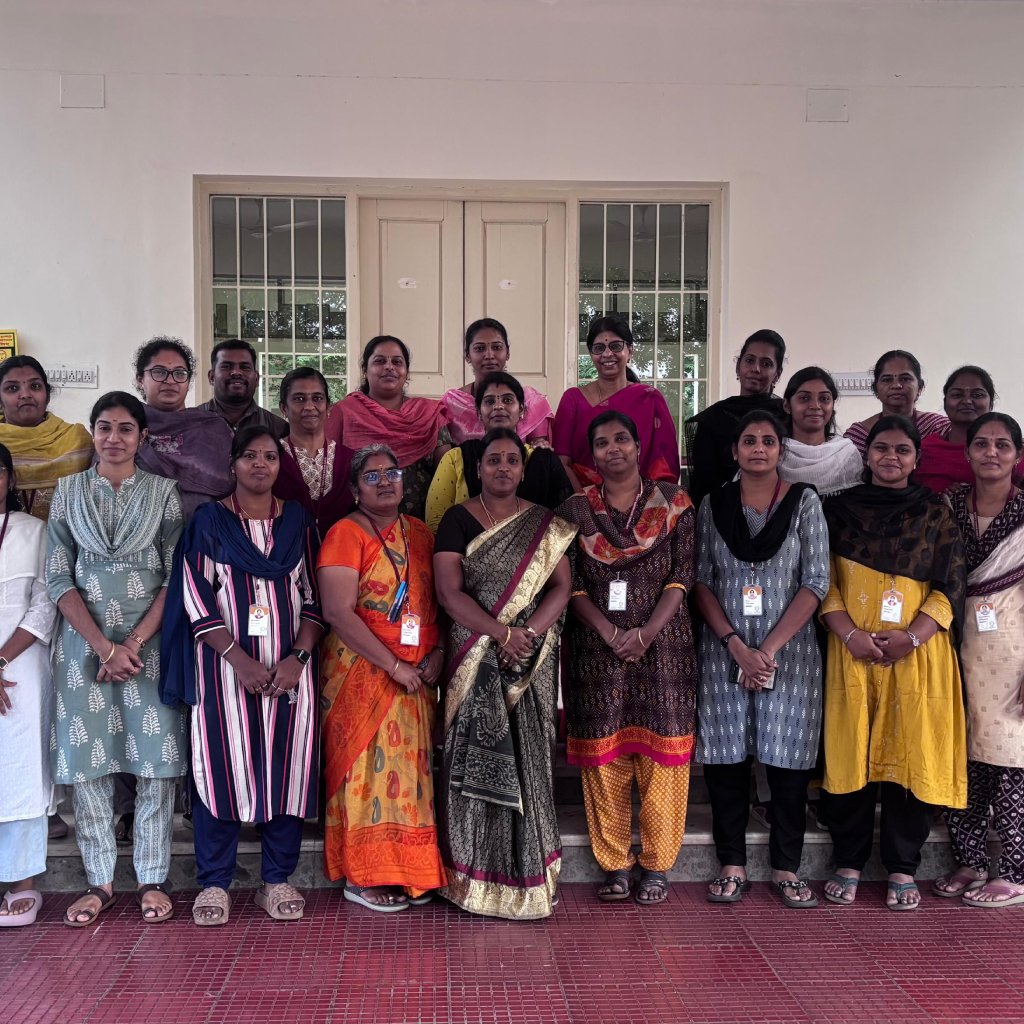
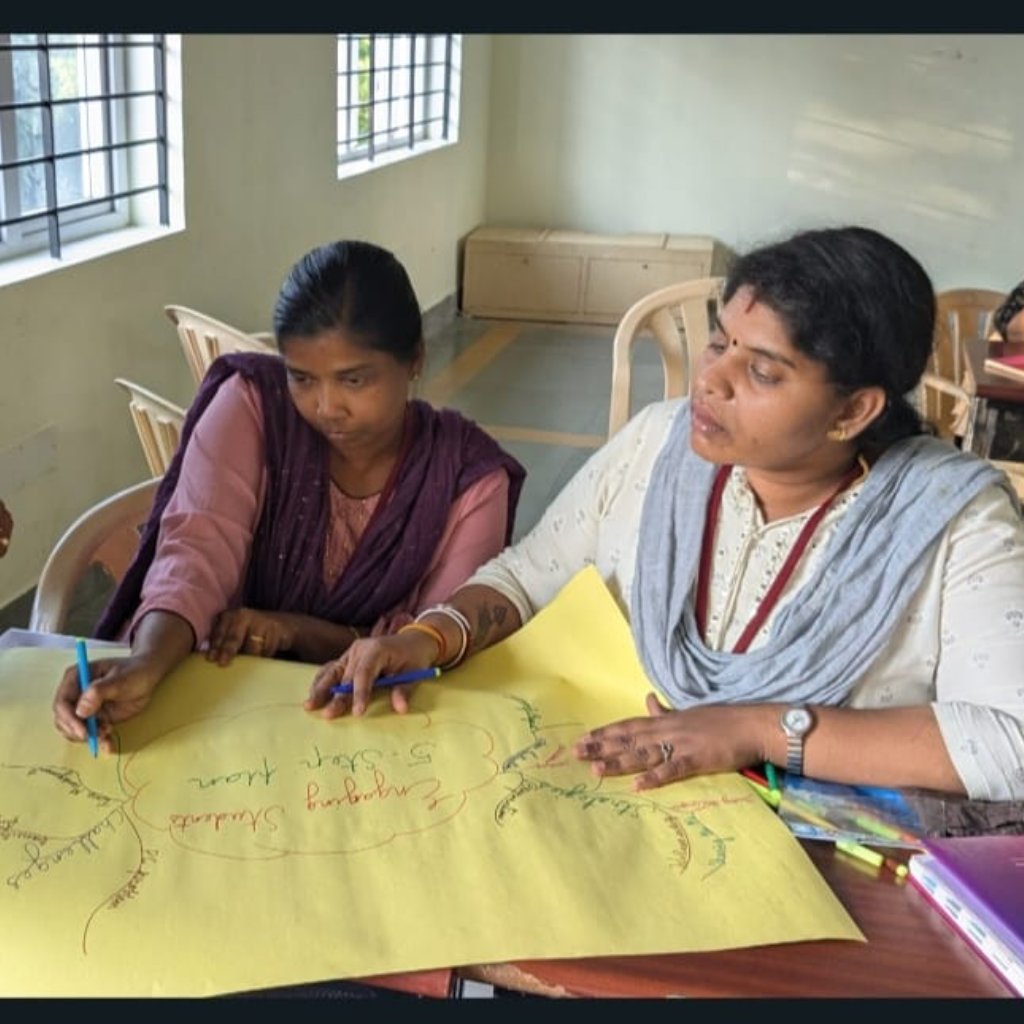
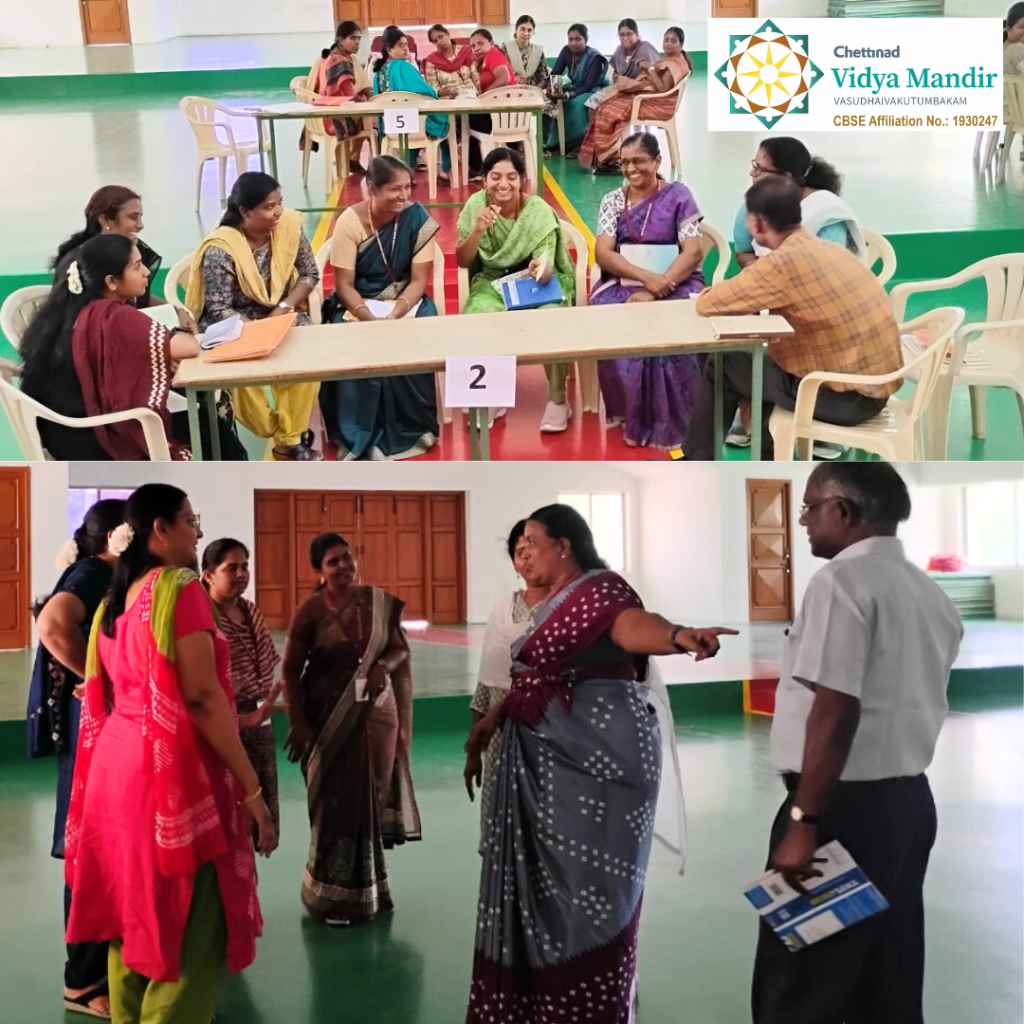
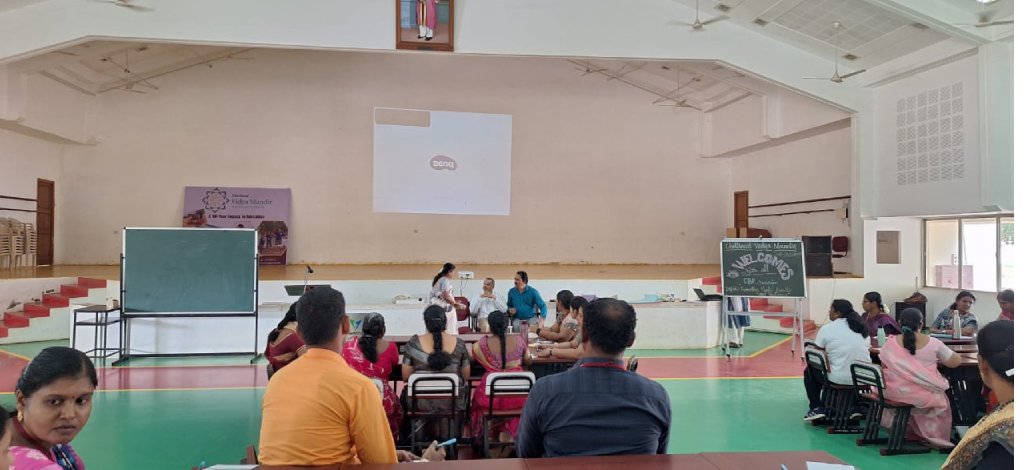
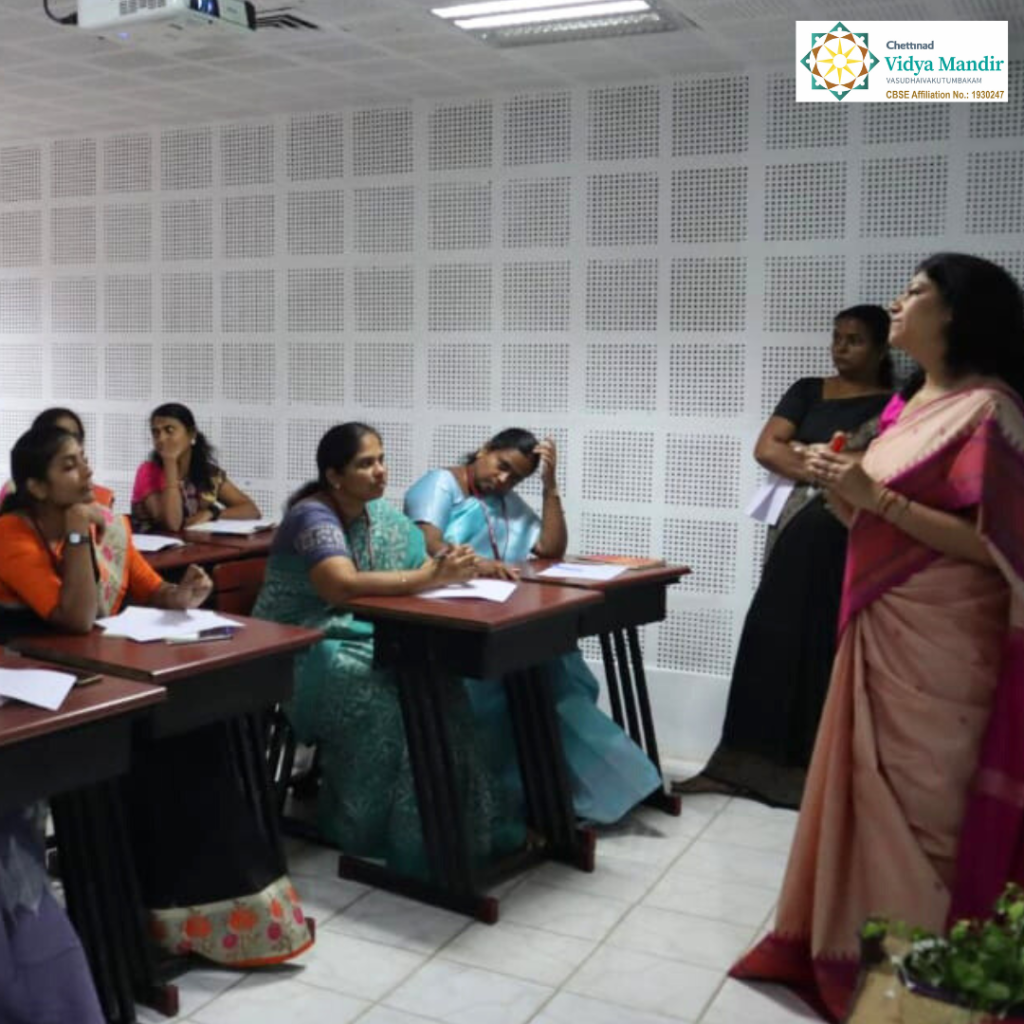
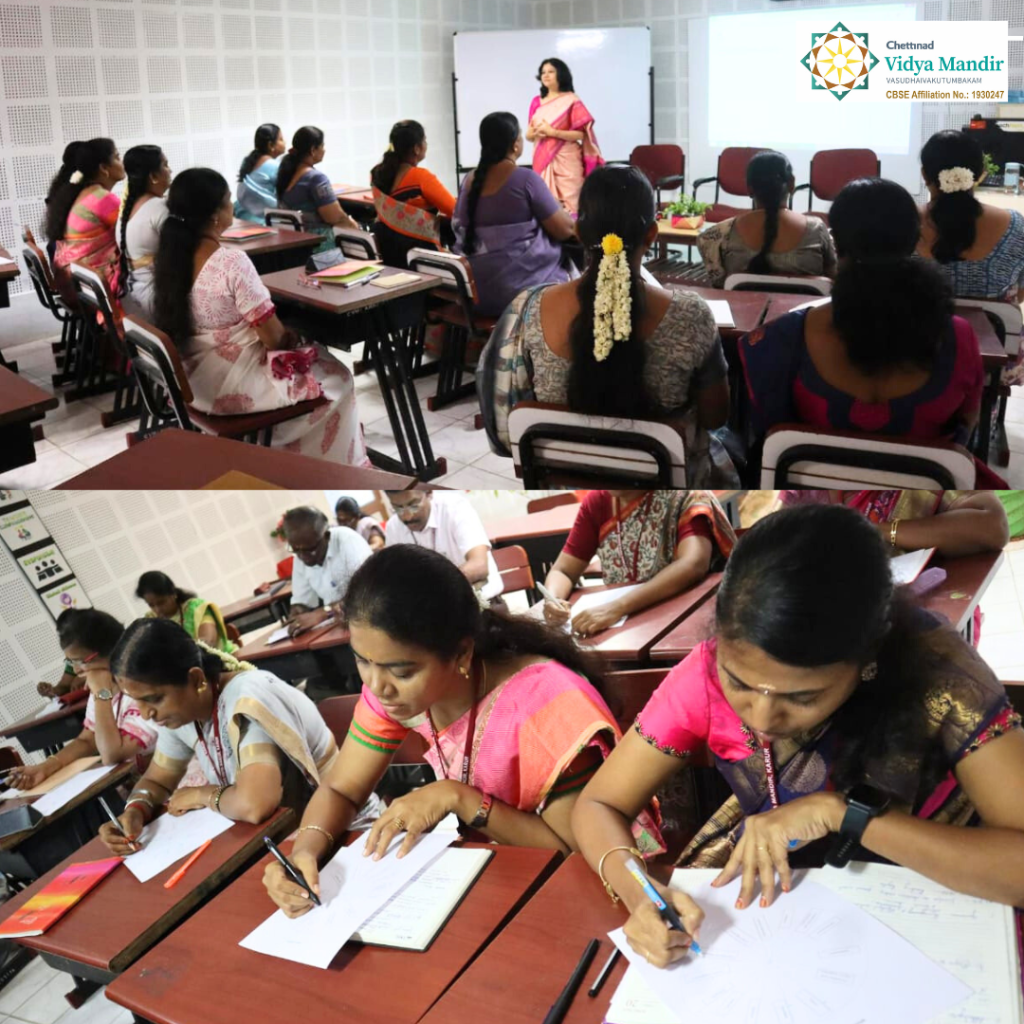
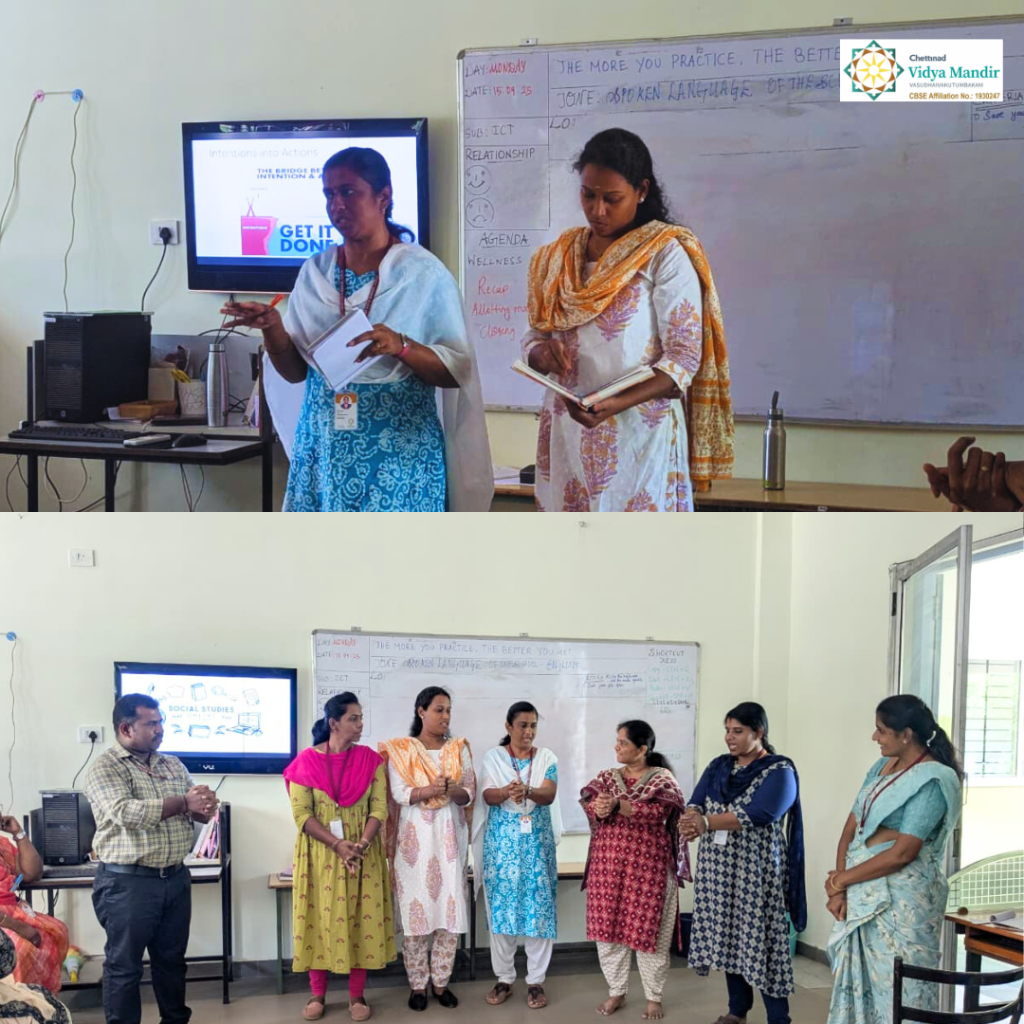
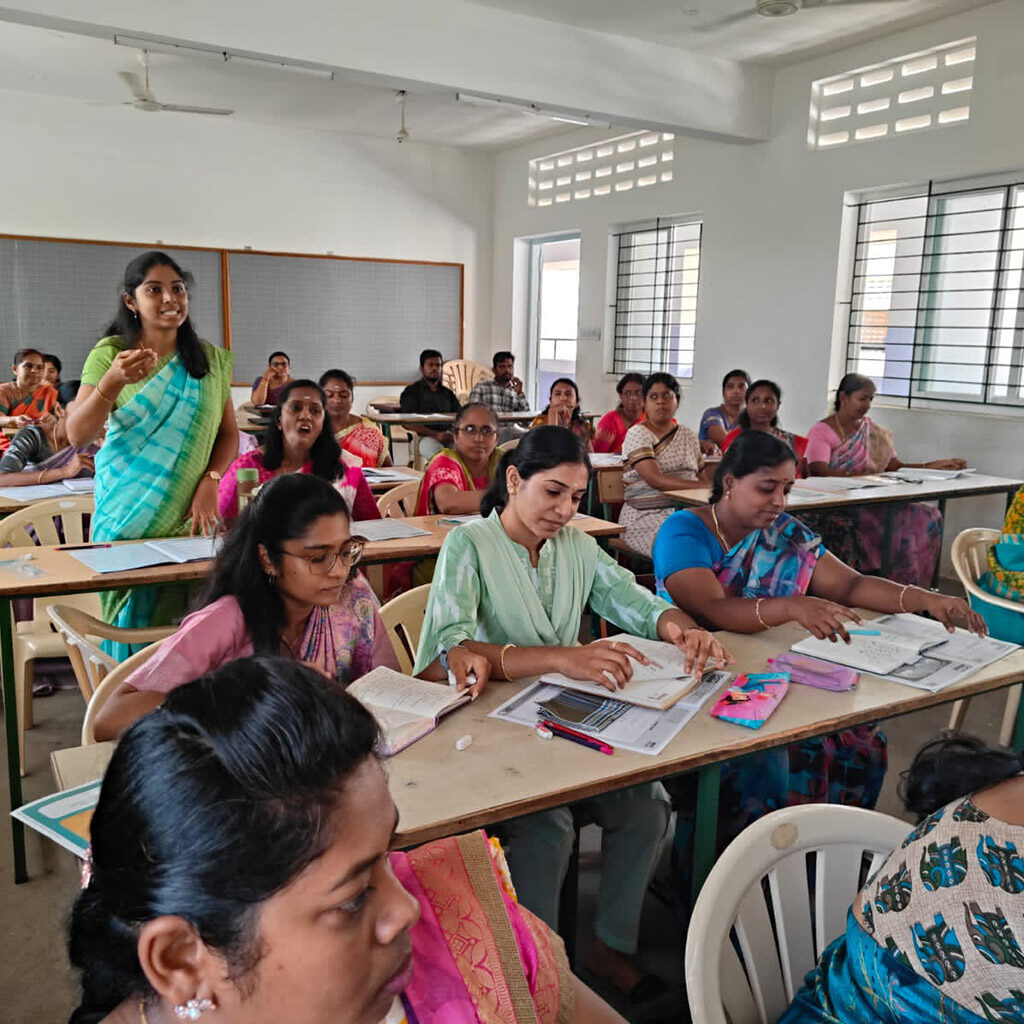
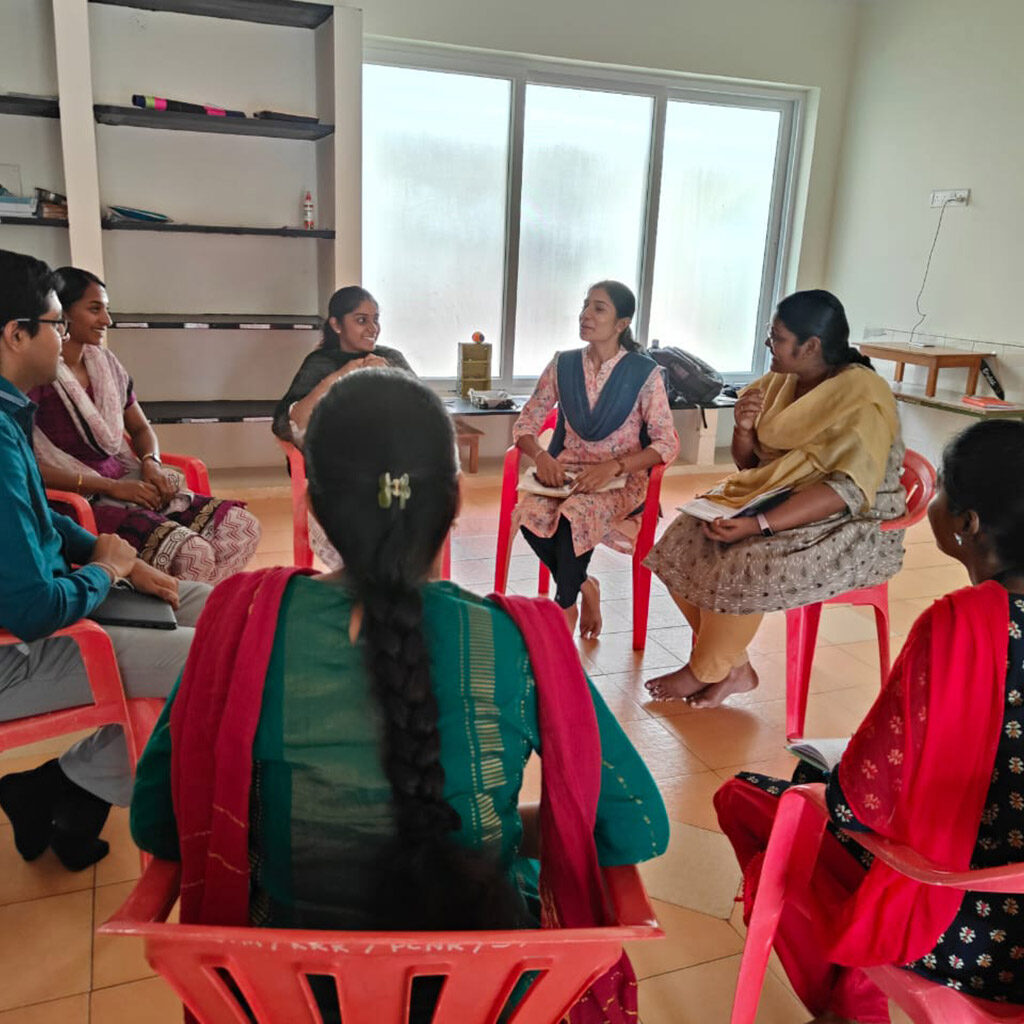
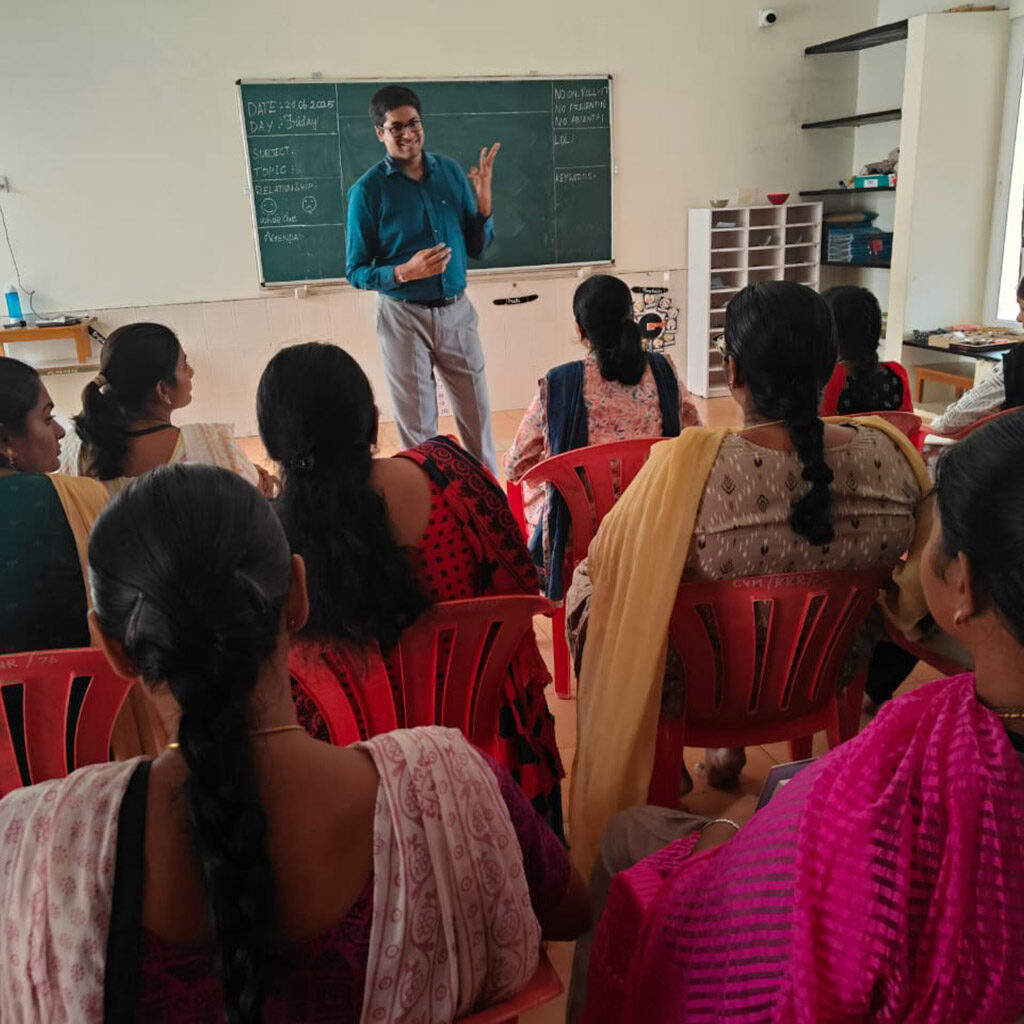
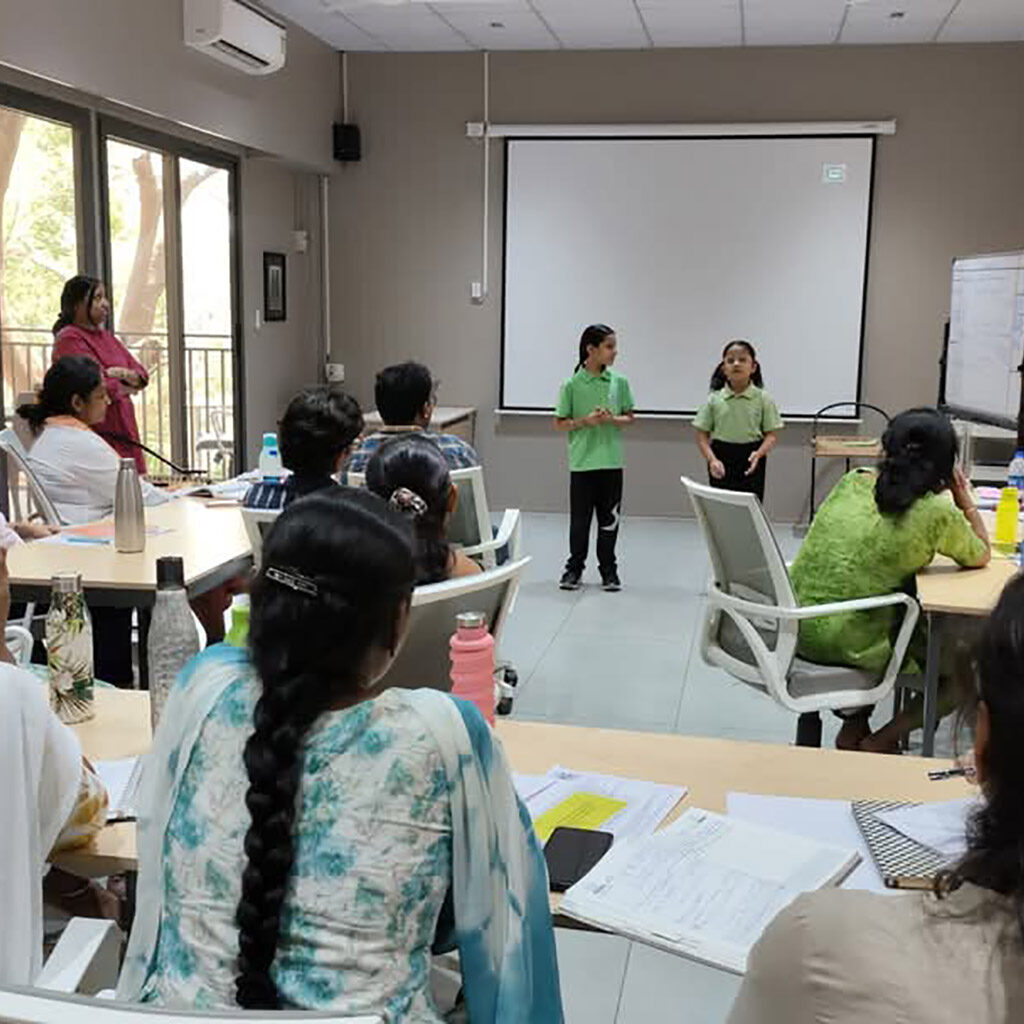
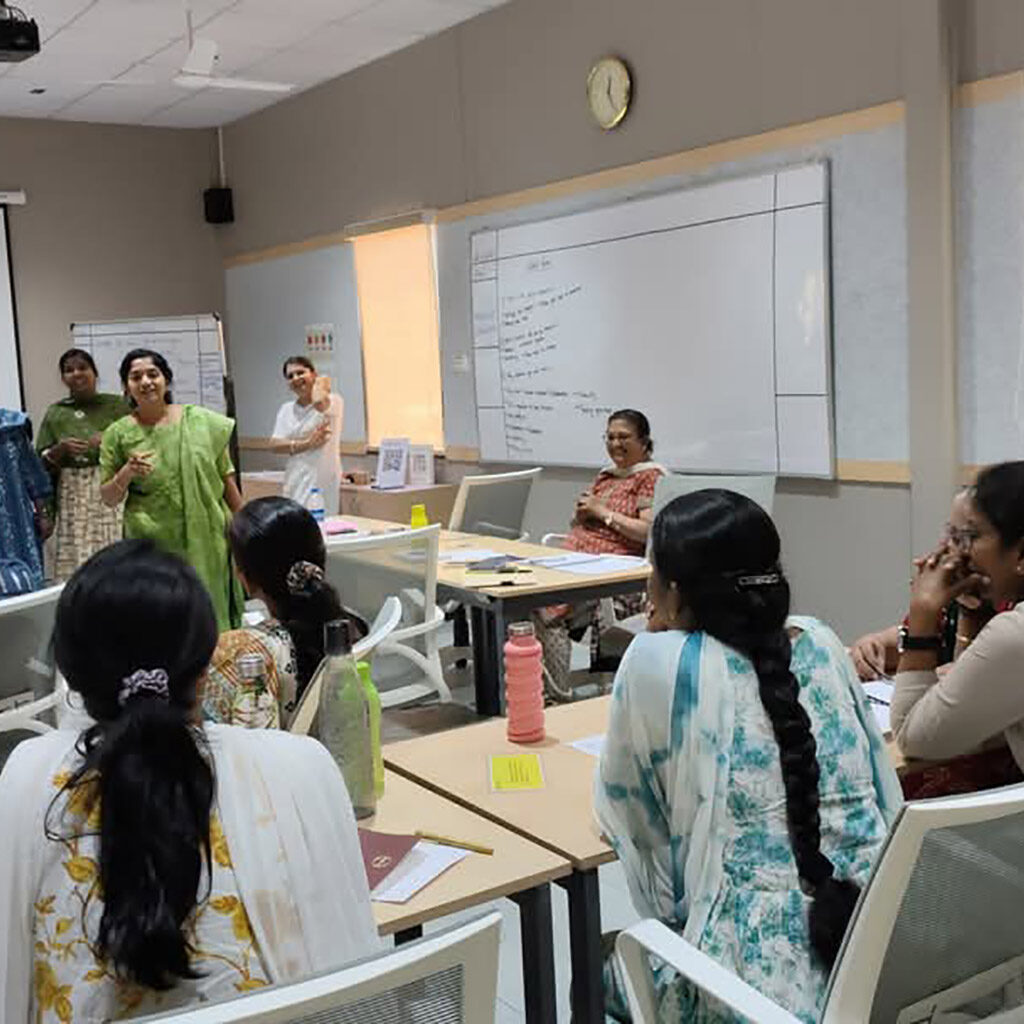
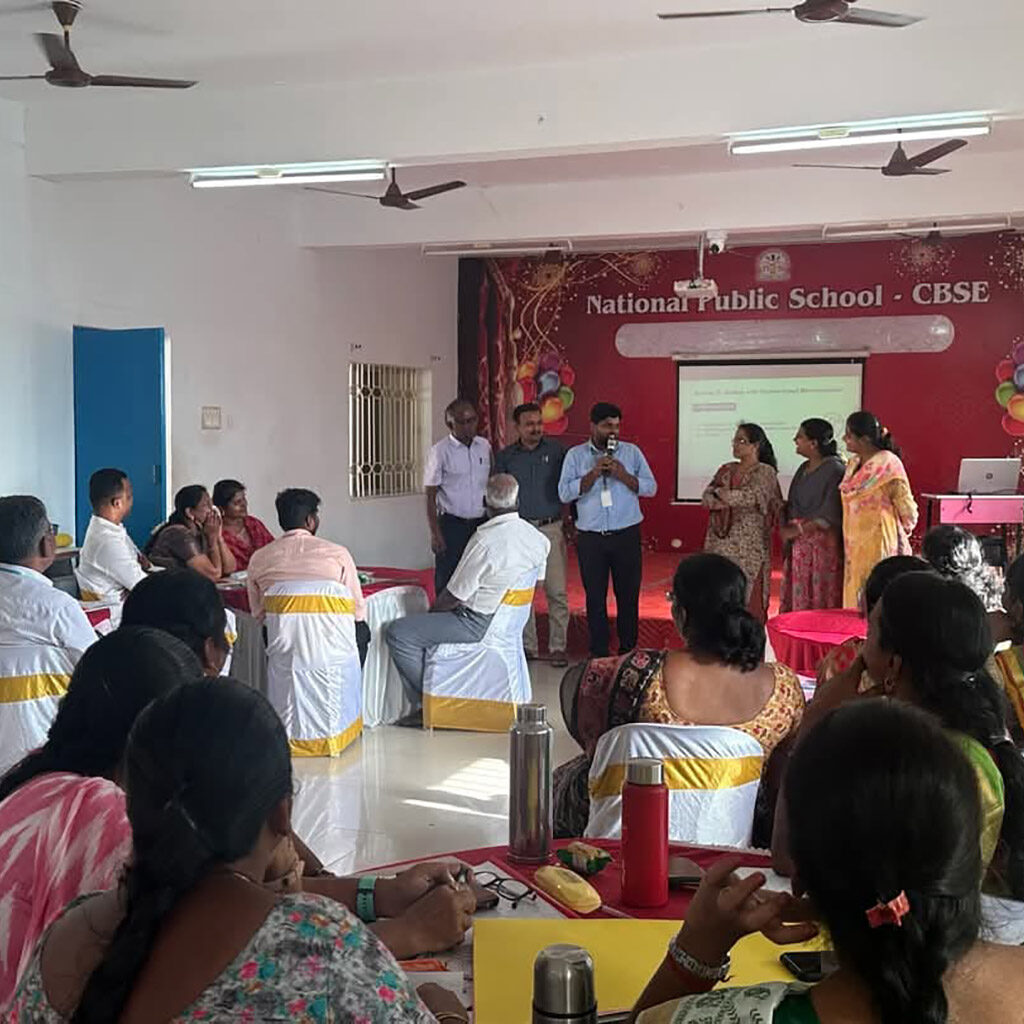
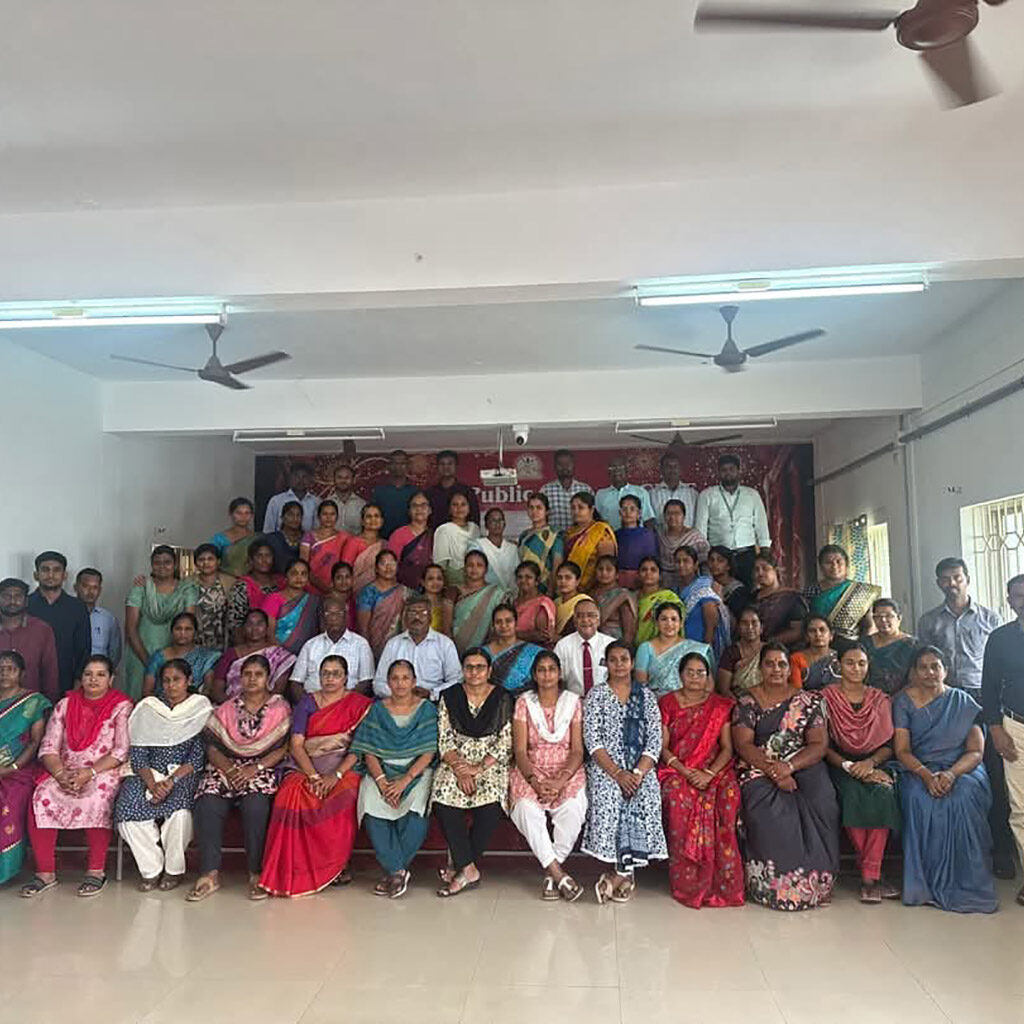
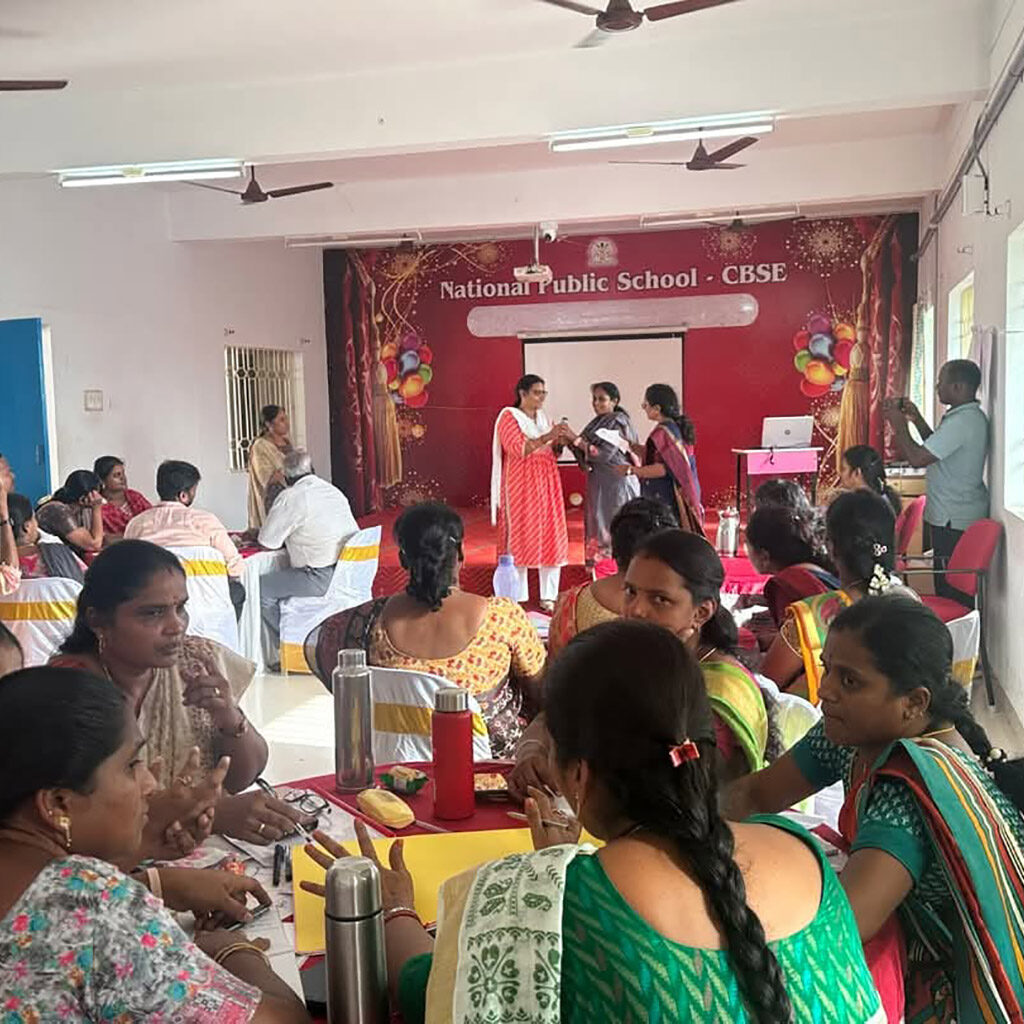
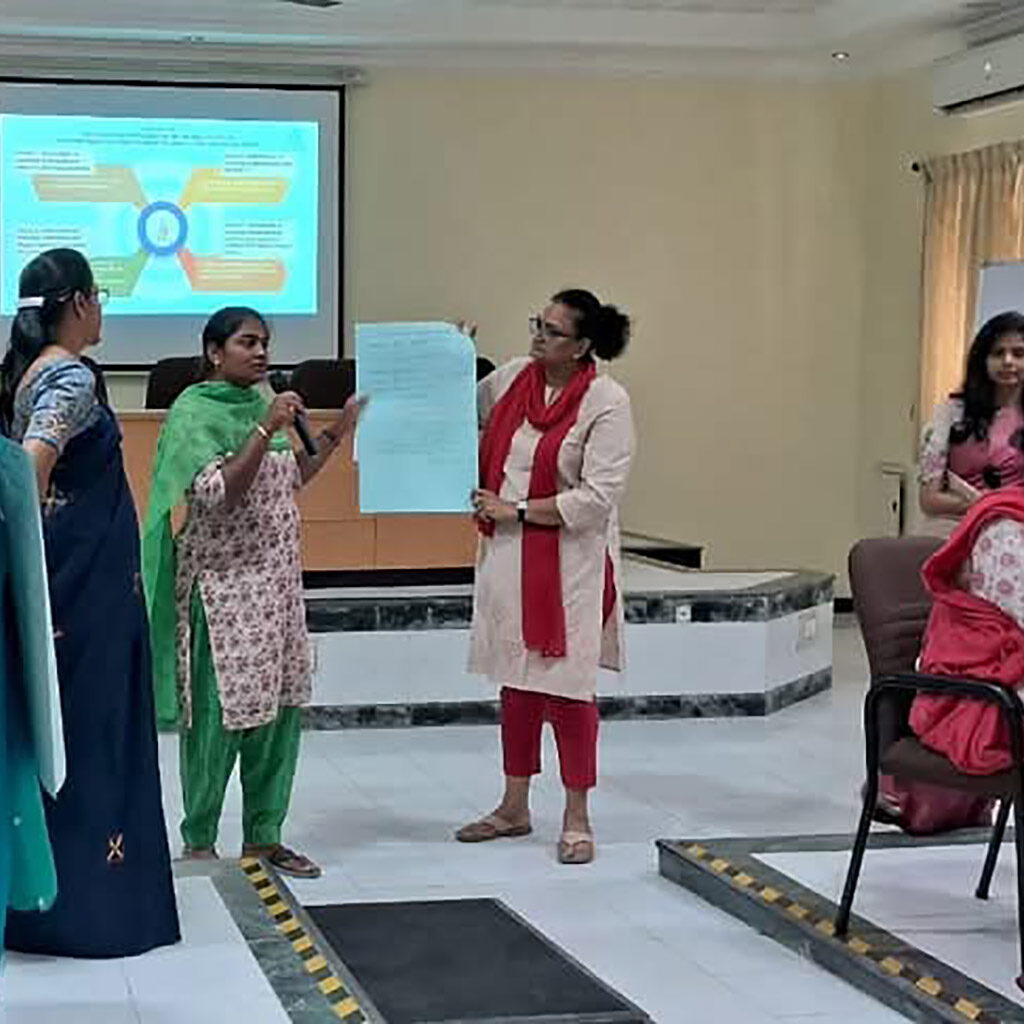
Ms. Vidhya from Chettinad Education Services conducted an insightful two-day professional development session on preparing lesson plans aligned with the National Education Policy (NEP) 2022, using the Panchaadi (Five-Step) Approach.

The session guided acharyas through a clear and practical framework comprising Engage, Explore, Practice, Apply, and Extend, offering a strong foundation for effective and purposeful lesson planning. This structured sequence enabled teachers to design meaningful, learner-centric lessons and confidently implement them in their classrooms.

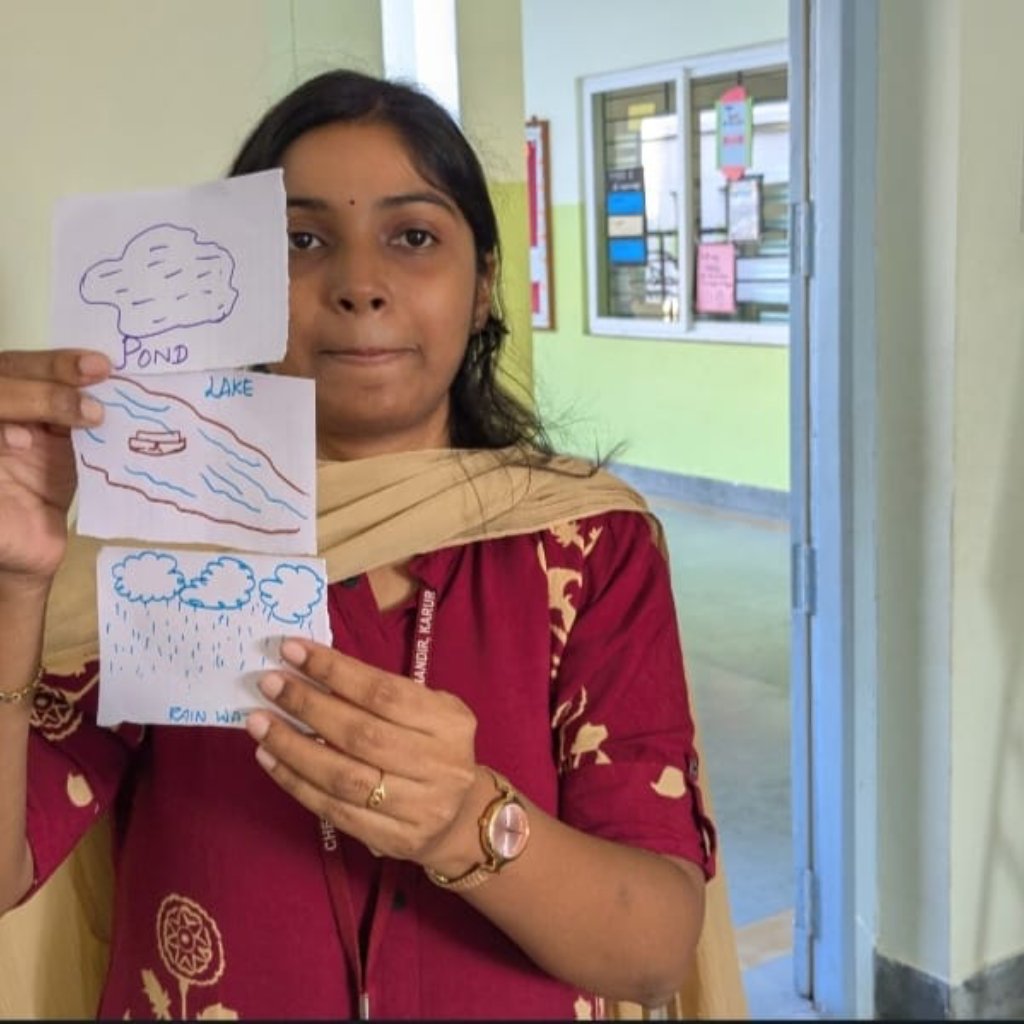
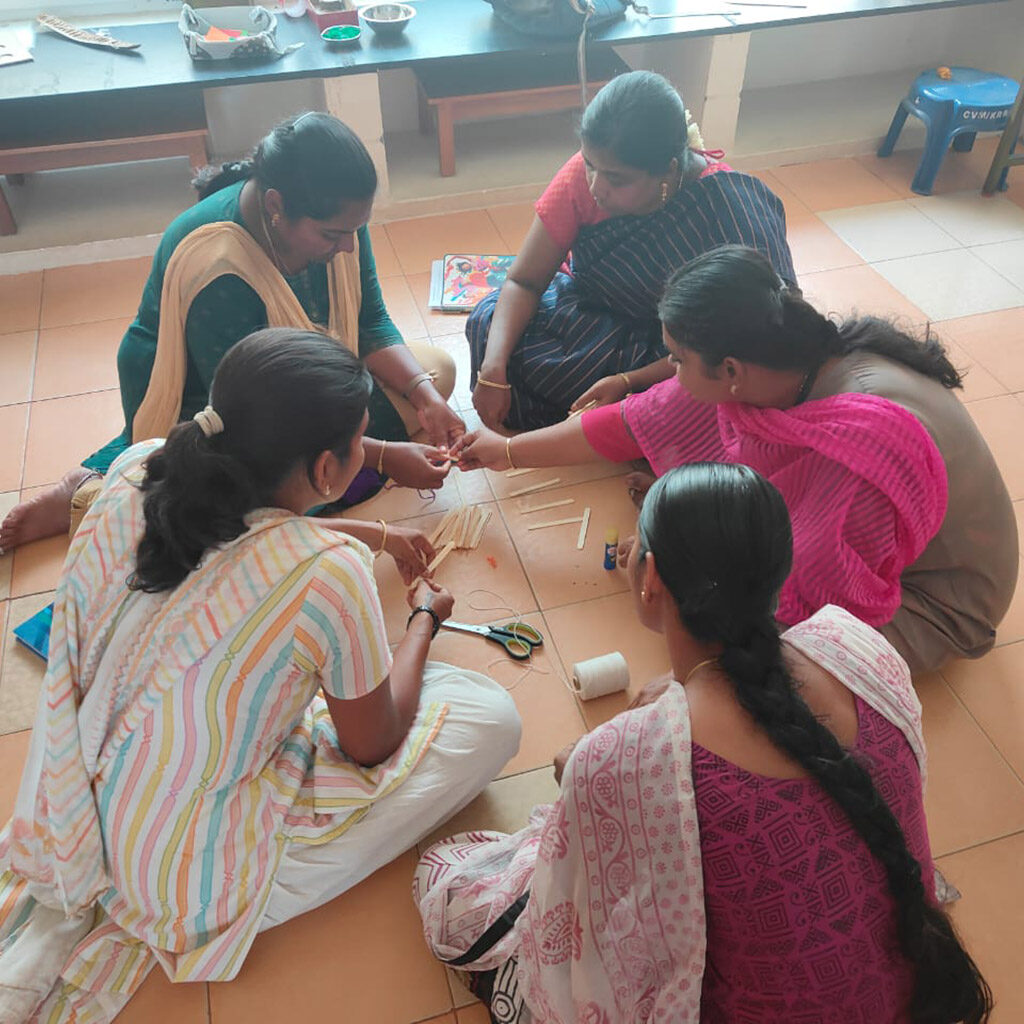
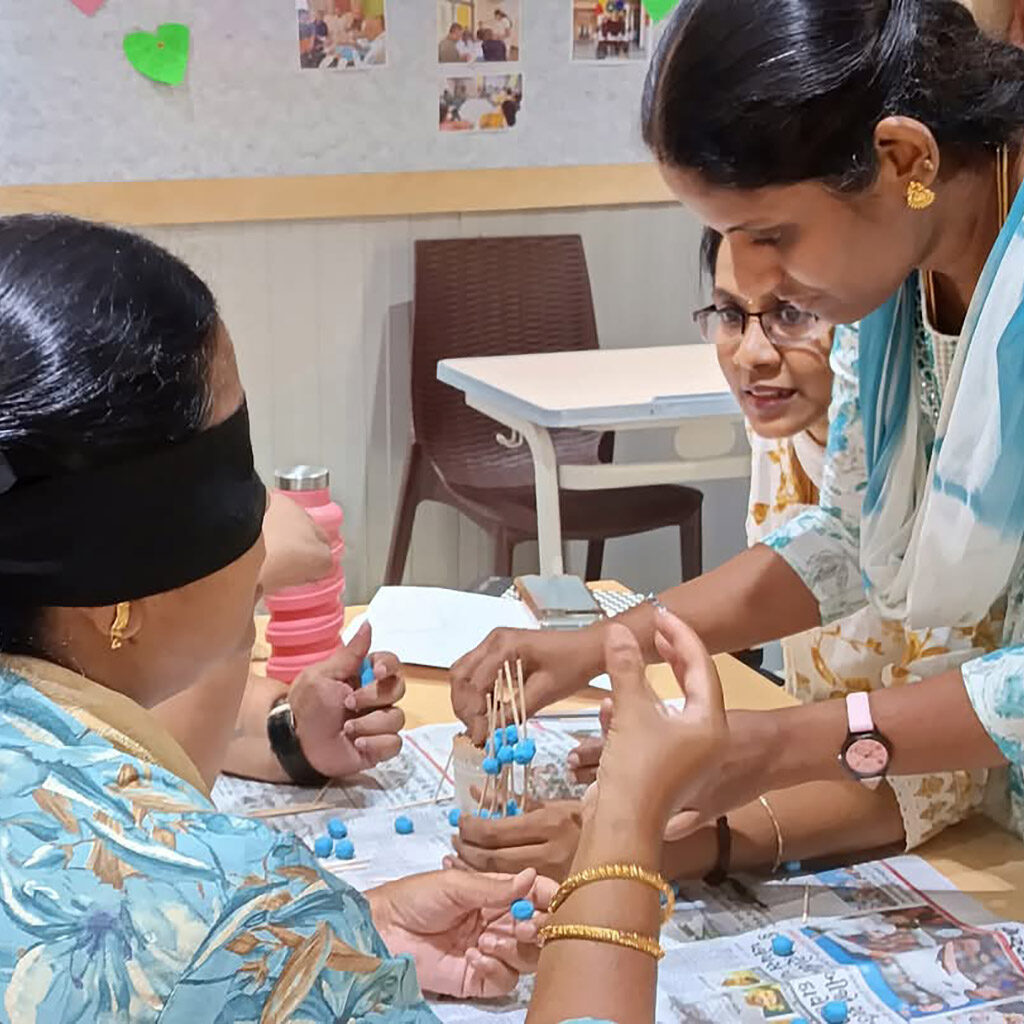
Through hands-on activities and practical demonstrations, the session empowered acharyas to align their teaching practices with NEP 2022, enhancing planning skills, instructional clarity, and classroom delivery.

A significant step forward in transforming teaching and learning!

Time management

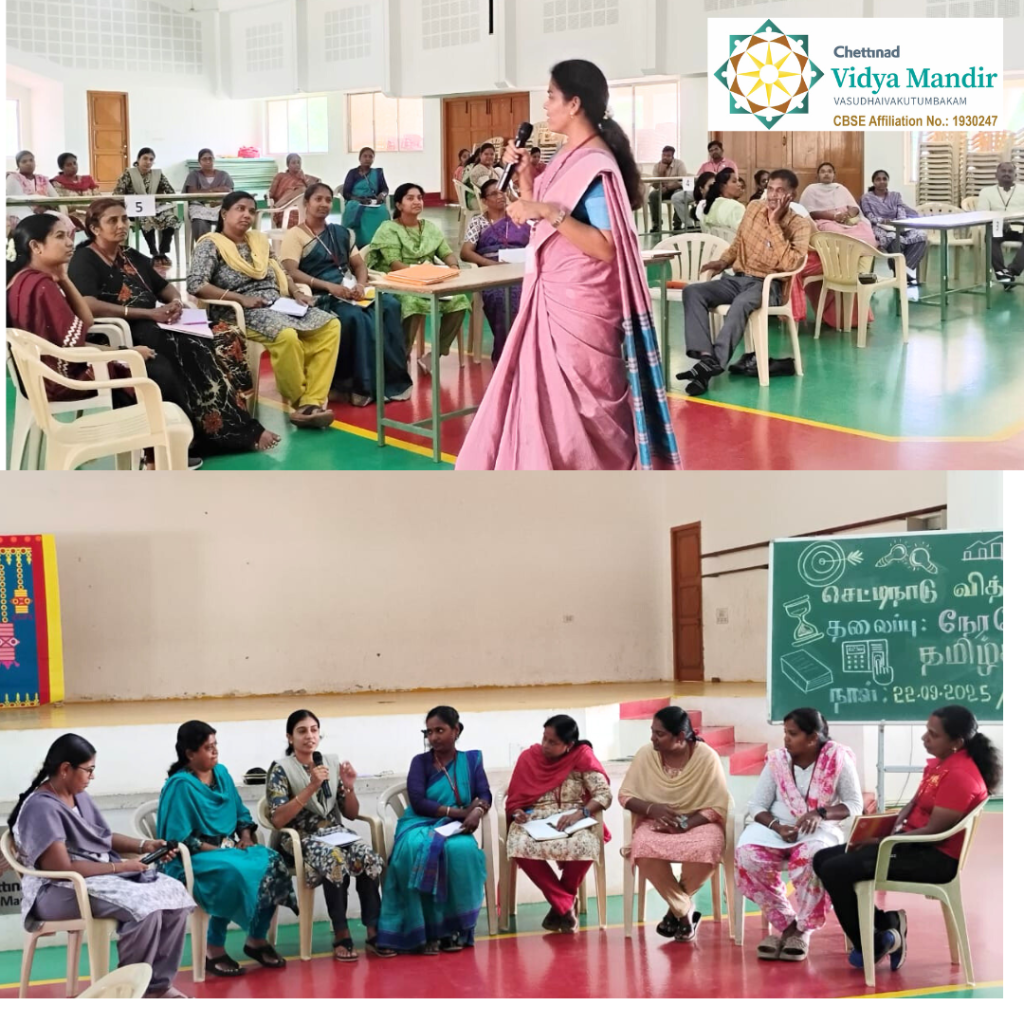
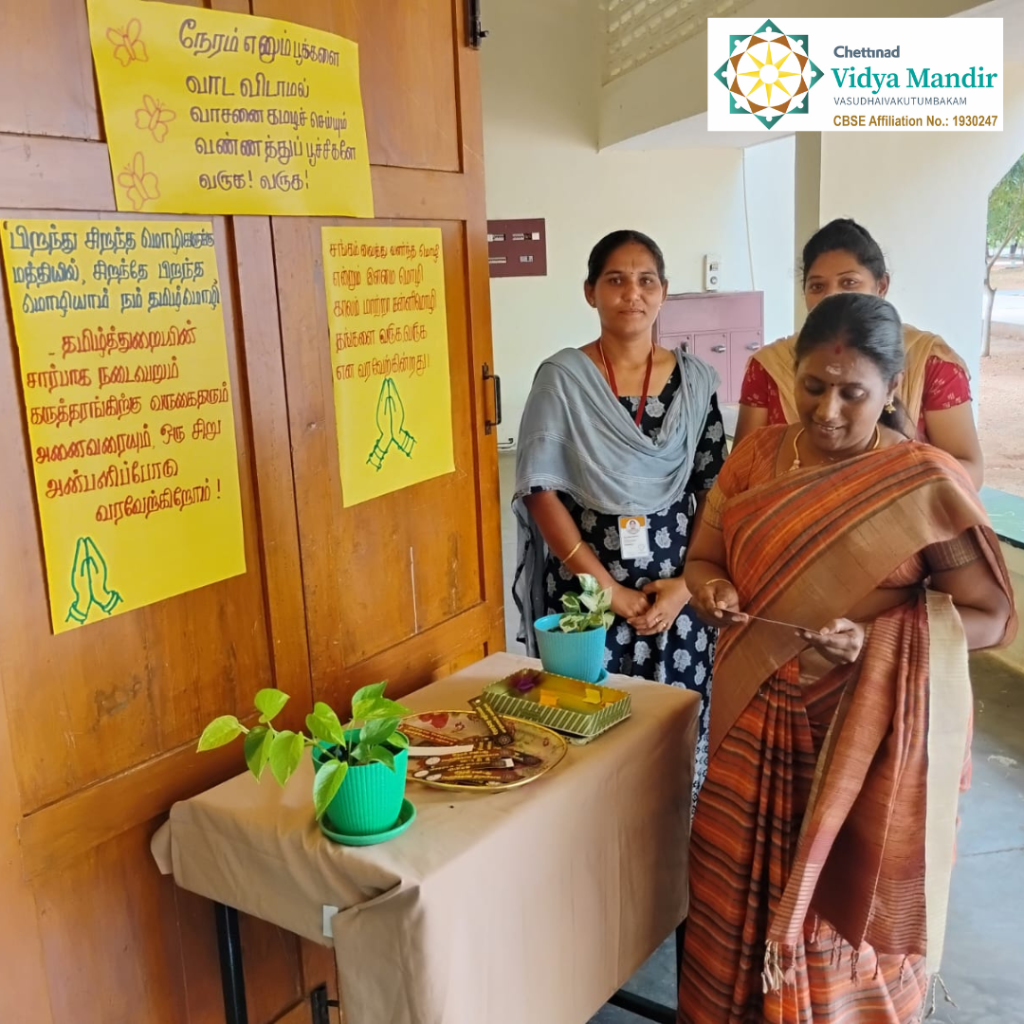
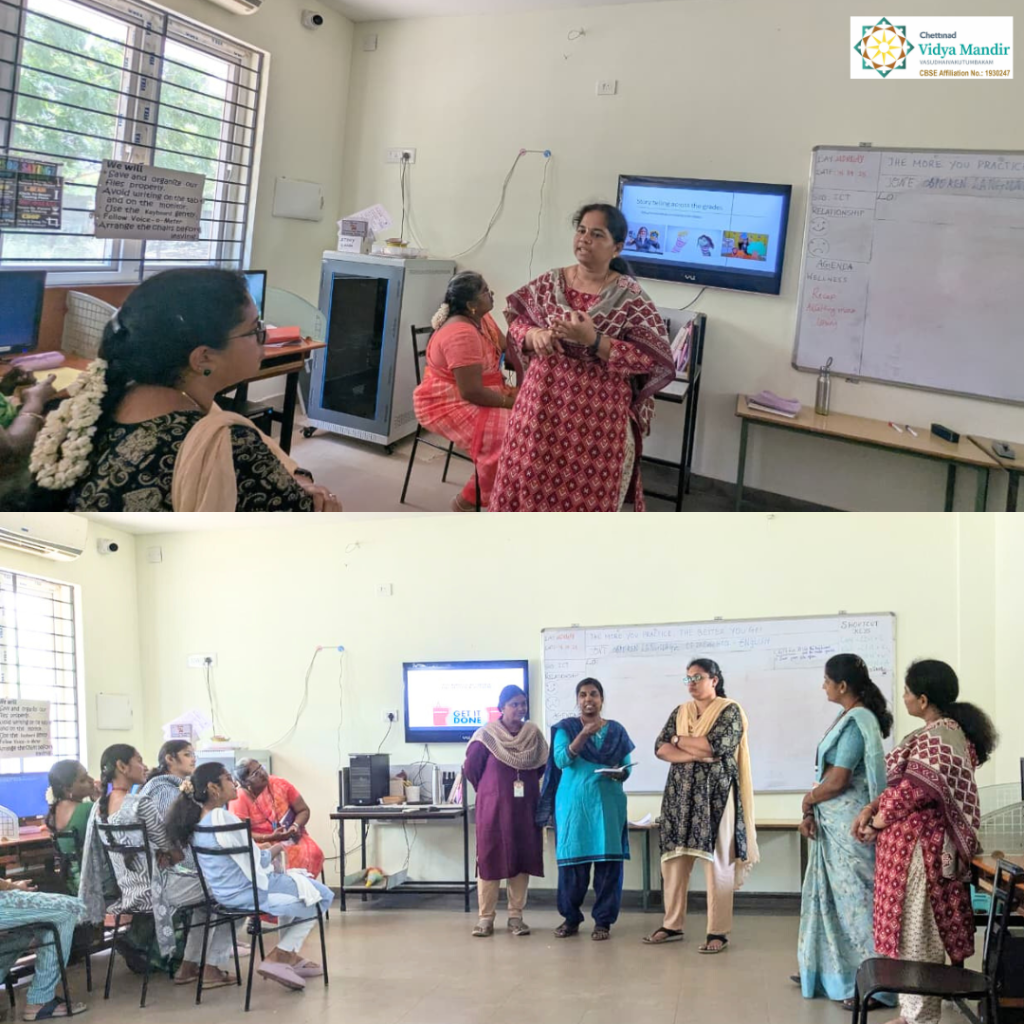
Our Tamil department conducted a professional development (PD) session on time management for all teachers. The session focused on the meaning and importance of time management in professional and personal life. The necessity of managing time effectively and the consequences of poor time management were discussed. Real-life teaching scenarios were shared to help participants relate the concept to daily responsibilities. Teachers were encouraged to reflect on their own time usage and adopt simple strategies for better planning and prioritization. The session was informative and beneficial.

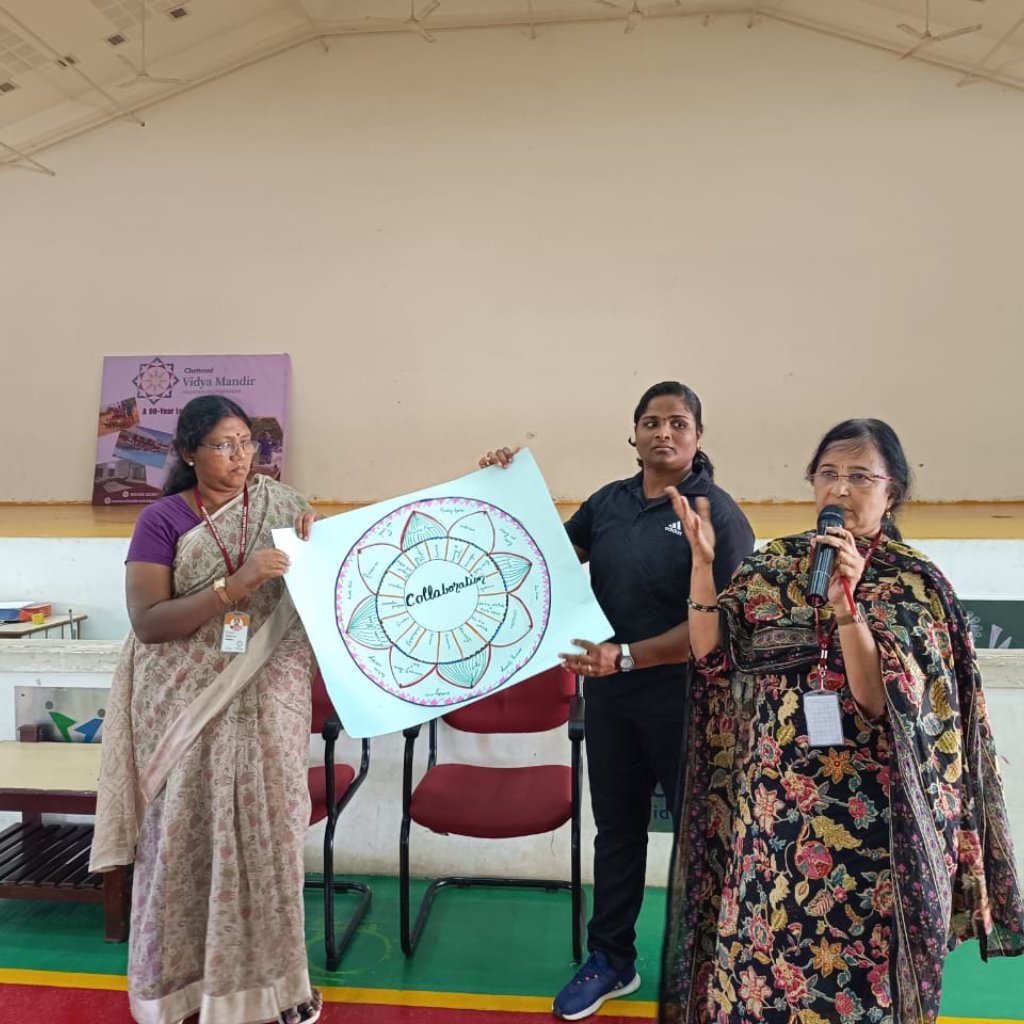
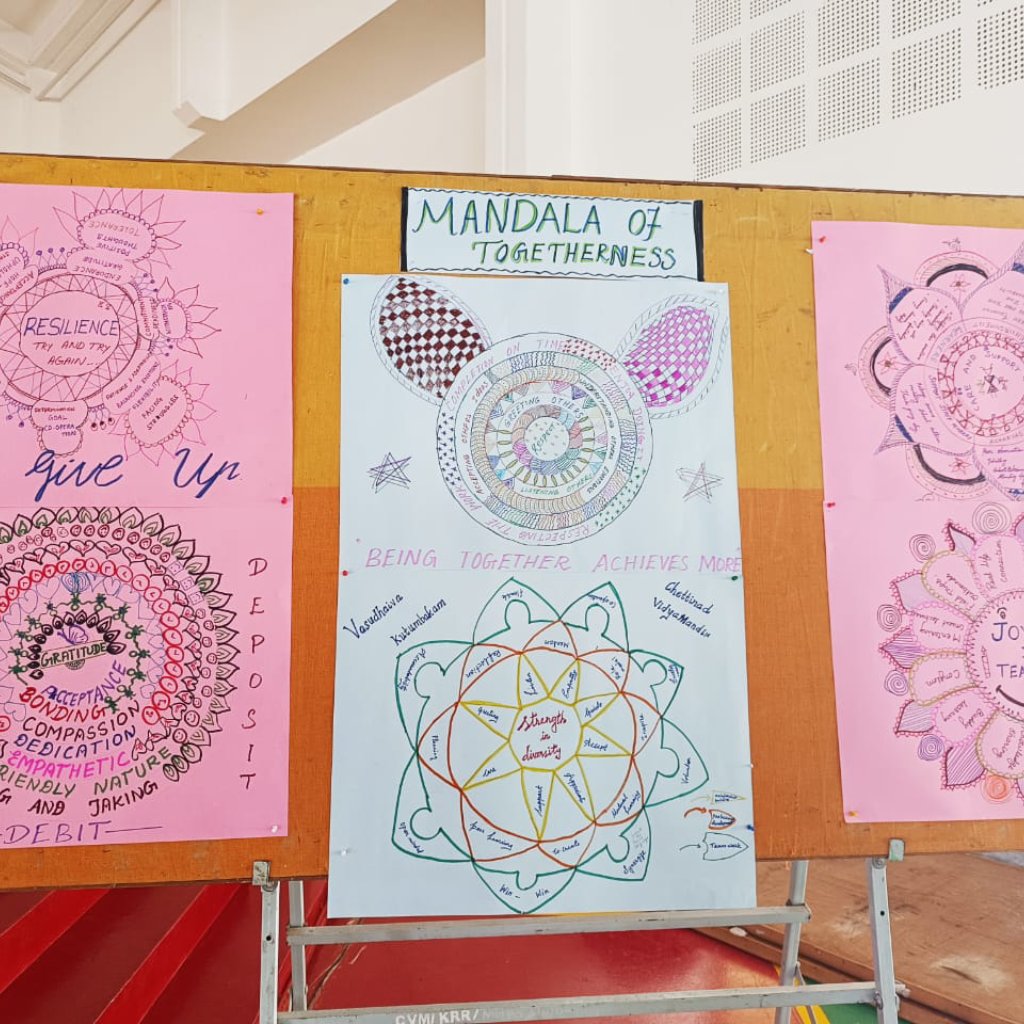
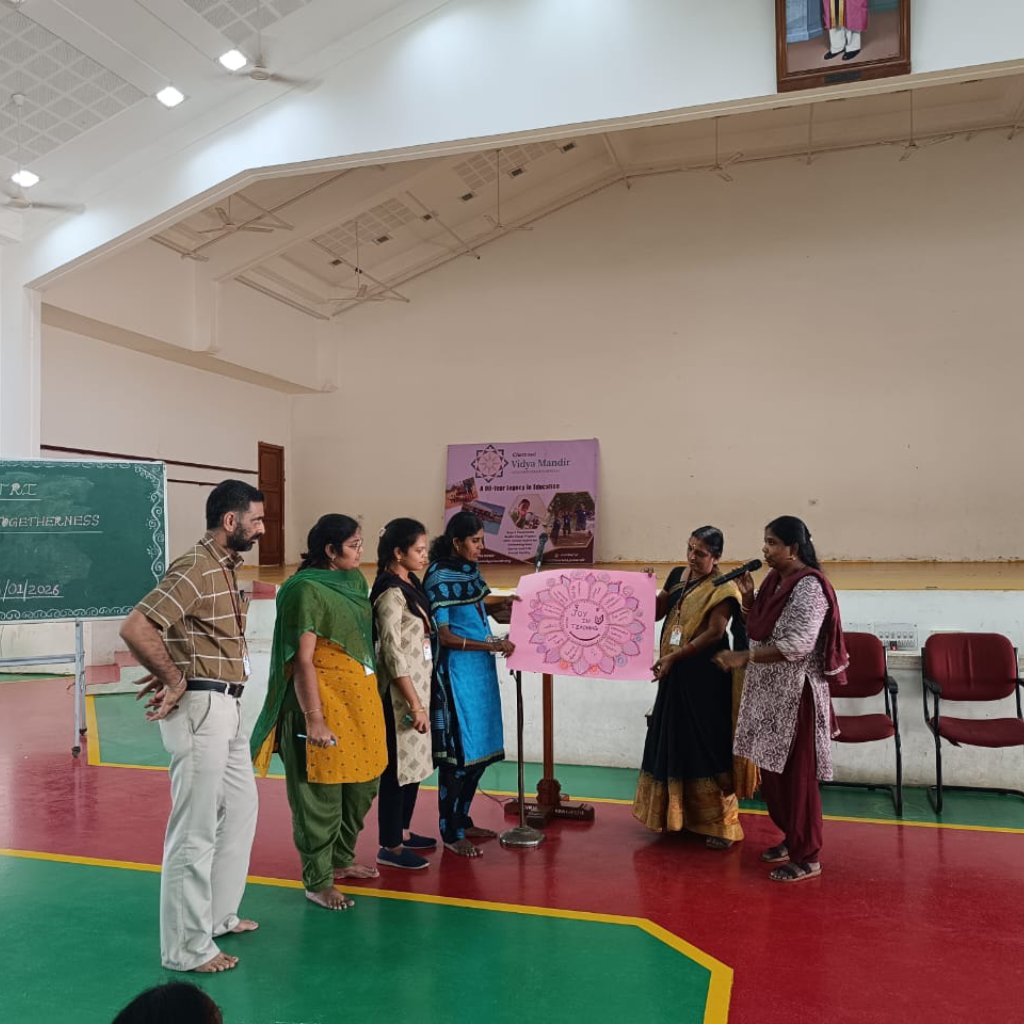
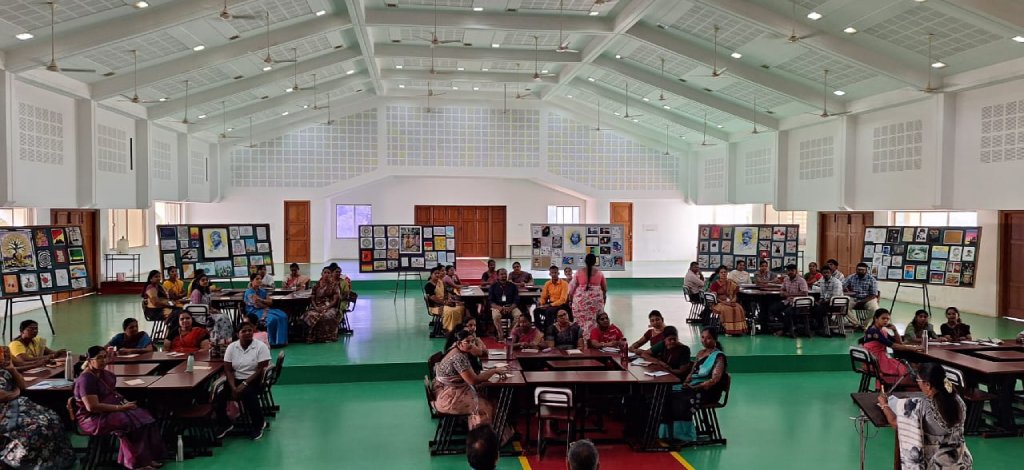
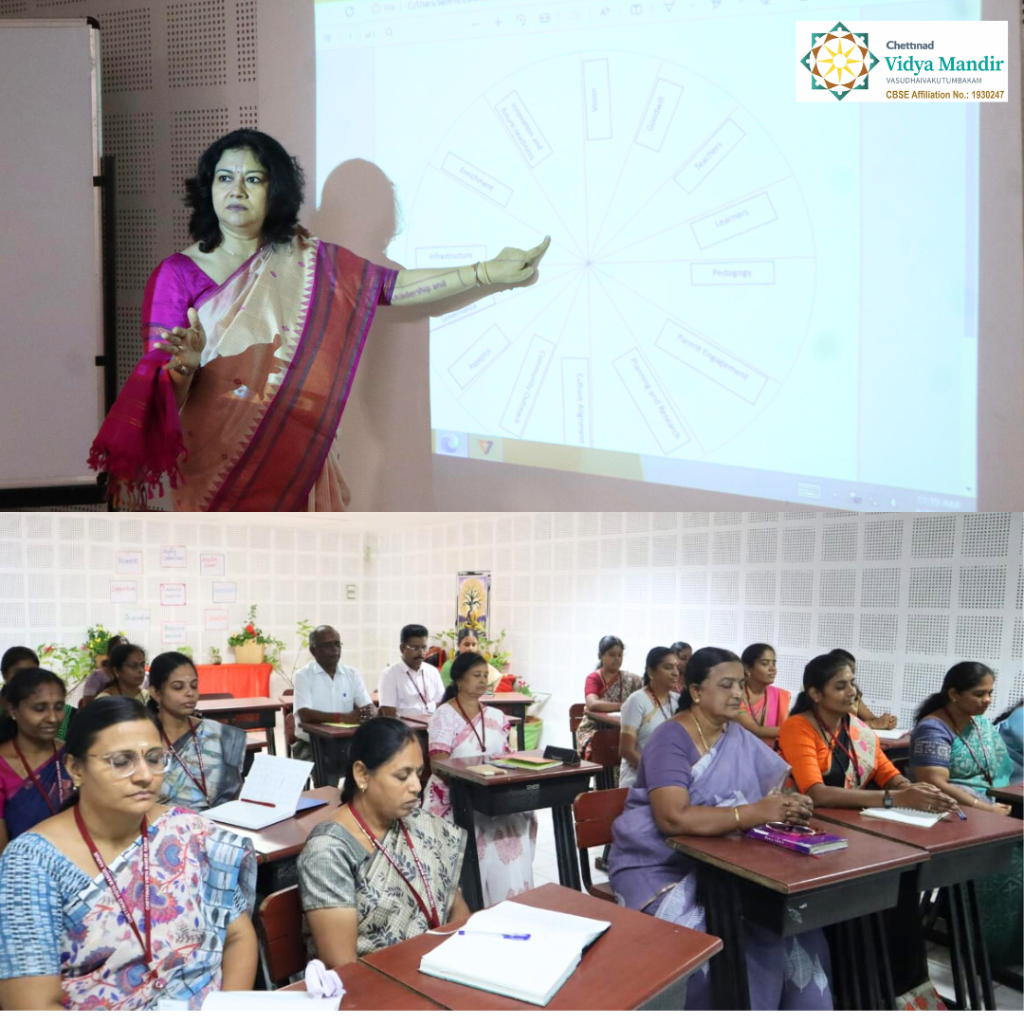
Mandala of Togetherness

At Maitri, we believe that the strongest lessons are not taught – they are lived.

Through the Mandala of Togetherness, our acharyas came together as learning teams to reflect on a powerful question:

How do we make our values visible in our daily actions, so learners absorb them naturally – without being told?

Each circle of the mandala represented a shared commitment:

  • Trust – by being consistent, fair, and authentic
  • Respect – by valuing every voice and perspective
  • Joy in Learning – by staying curious and celebrating growth
  • Gratitude – by acknowledging efforts, big and small
  • Strength in Diversity – by embracing differences as assets
  • Resilience – by modelling perseverance through challenges
  • Care & Support – by showing empathy and presence
  • Collaboration – by learning with and from one another
  • Commitment – by standing firm in our purpose
  • Listening – by giving attention beyond words

As Acharyas, we strongly believe that the “Learners watch more than they listen”.

When these values are visible in how we speak, respond, collaborate, and care, they quietly become part of our learners’ way of being.

This mandala is not just an activity – it is a reminder that togetherness, when practiced daily, shapes a culture where values are caught, not taught.

Capacity Building Programme

Chettinad Vidya Mandir acharyas participated in a CBSE Capacity Building Programme on the theme Promoting Mental Health and Wellness. It was a truly enriching and reflective learning experience for all of us. The sessions were thoughtfully designed, combining theory with practical strategies that can be seamlessly integrated into our everyday classroom practices. The programme emphasized the importance of emotional well-being, self-awareness, empathy, and creating a supportive learning environment for learners.

The interactive activities and real-life scenarios helped us understand how to identify learners’ emotional needs and address them with sensitivity and care. It also reassured us that many of the practices we follow are on the right track, while giving us valuable insights to strengthen and refine our approach further. We are confident that this learning will help us nurture not only academically strong learners but also emotionally balanced and resilient individuals in our upcoming classes.

Reflection Wheel

The leadership team of CVM had an insightful session on the Reflection Wheel with our Director. It was truly energising – like a booster that inspired all of us to think differently and believe that anything is possible. The session became a resolution for us to work together with renewed spirit and unity. With this collective effort, CVM is bound to achieve greater excellence and glory by making learning more visible and engaging parents more voluntarily in the journey.

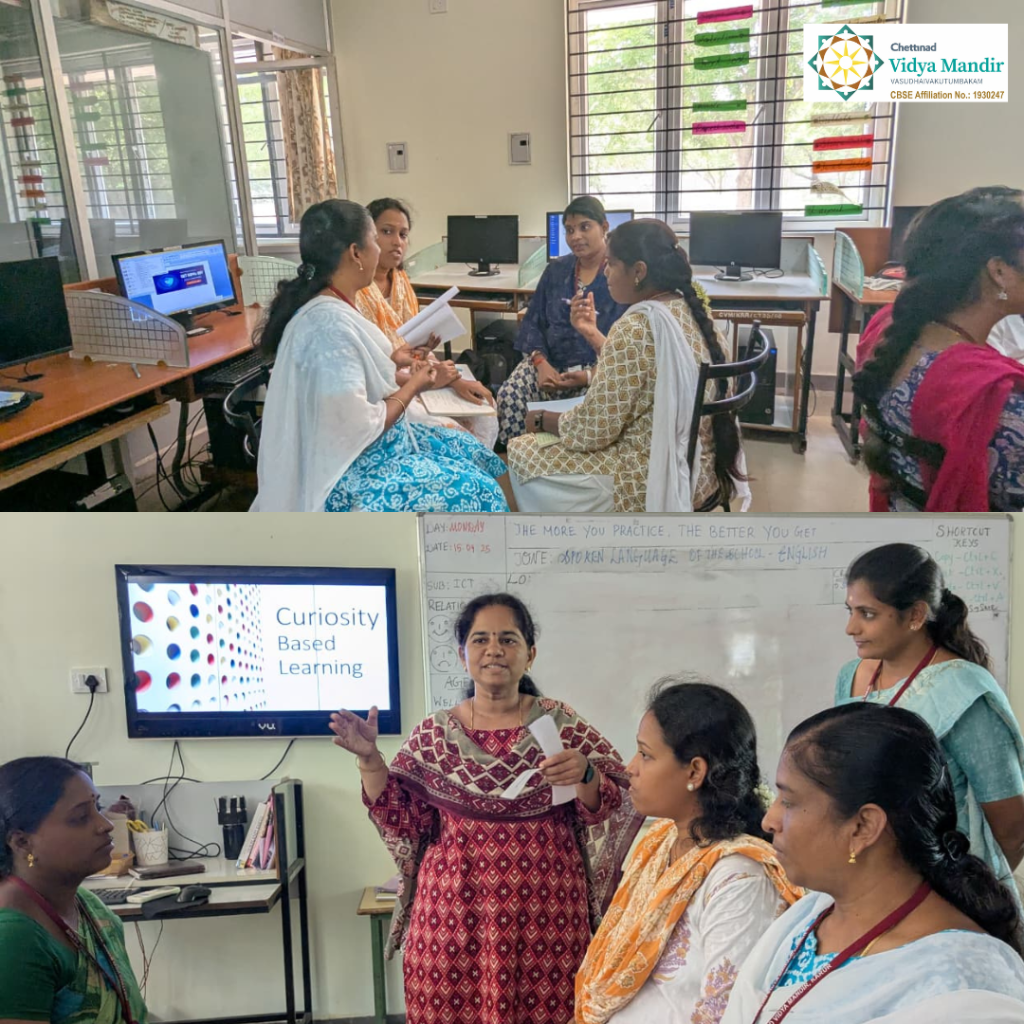
Strategies for Curiosity Based Learning

Our Acharyas from KG to Grade 5  participated in an engaging professional development session on Curiosity-Based Learning conducted by the Coordinators Ms.Geetha and Ms. Savitha.

The session emphasized the importance of nurturing curiosity to help learners stay focused and retain knowledge for the long term. Subject-specific strategies were explored in depth, sparking fresh ideas for our classrooms.

To conclude, each department showcased an activity they plan to implement, ensuring these strategies come alive in everyday learning.

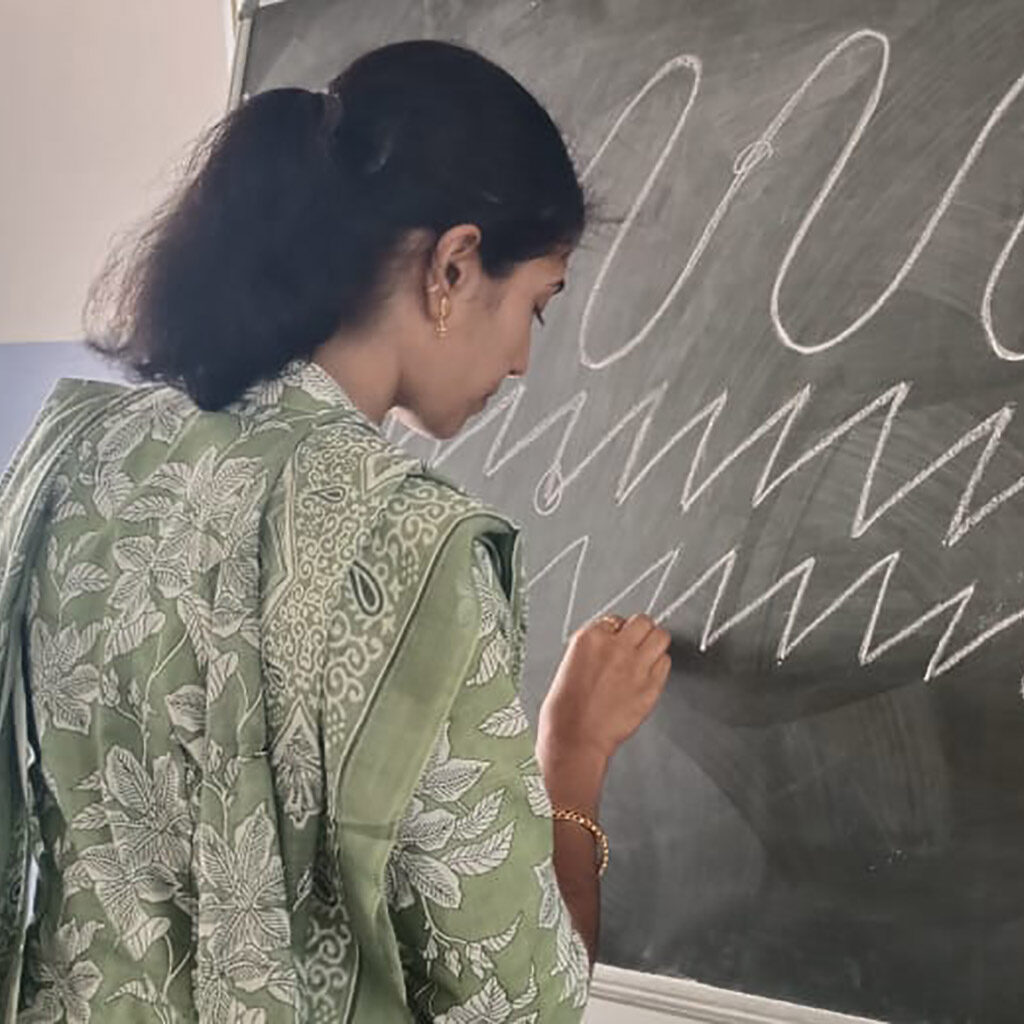
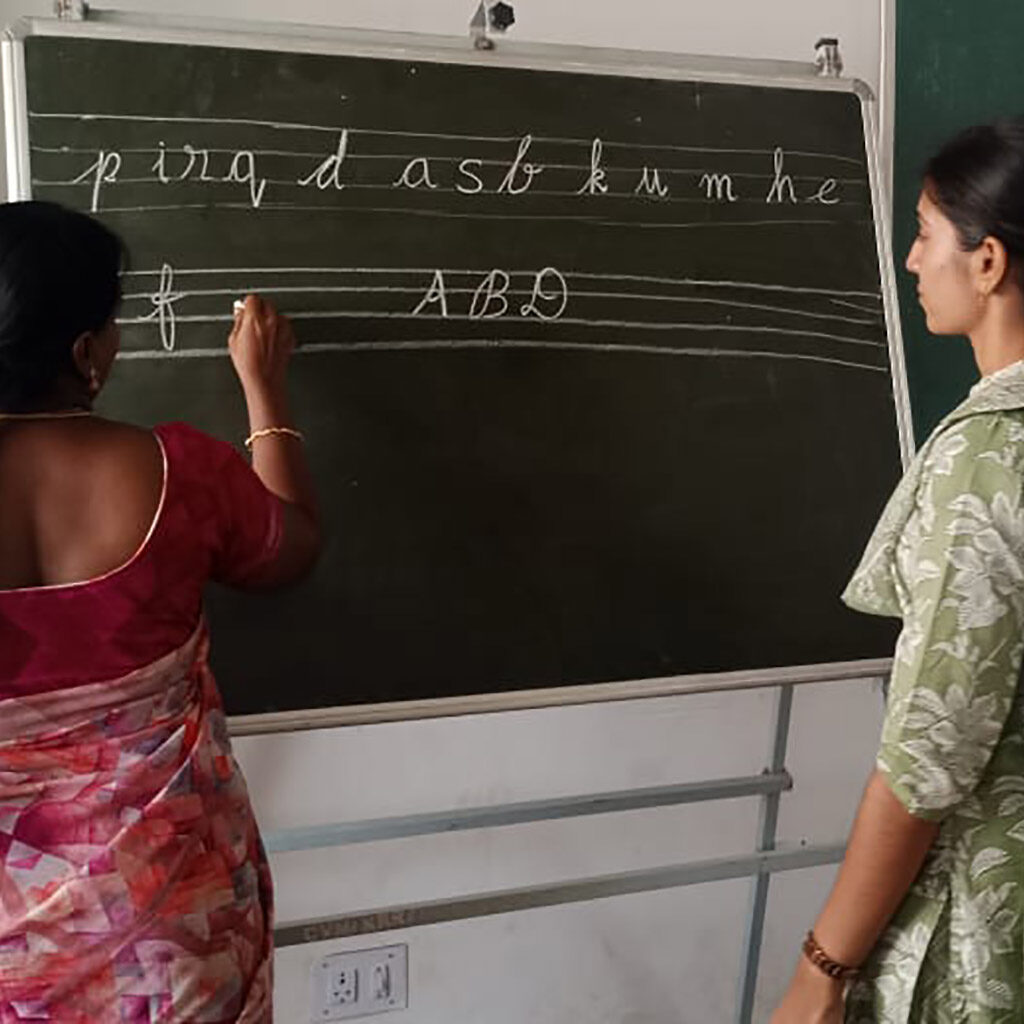
Chettinad Vidya Mandir Acharyas Participate in Rorito Writewiz Handwriting Training

Acharyas of Chettinad Vidya Mandir from Grades 1 to 8 had the wonderful opportunity to participate in the Rorito Writewiz handwriting training program. This enriching session equipped our educators with effective techniques and strategies to enhance handwriting skills.

With this training, our acharyas are now well-prepared to take this learning forward into the classrooms. The goal is to provide our students with focused guidance and practice, helping them develop elegant, legible handwriting and nurture their potential to become young calligraphers.

Empowering Educators Through the XSEED 5-Step Learning Approach!

As part of our continuous professional development initiative, our primary teachers participated in an insightful induction session led by Mr. Niranjan, an expert from XSEED. The focus of the session was the XSEED 5-Step Learning Approach – a structured method designed to enhance classroom effectiveness and foster deep understanding among students.

The session was thoughtfully crafted with a blend of theory and practice. Mr. Niranjan facilitated  hands-on activities that not only demonstrated each step of the approach – Aim, Action, Analysis, Application, and Assessment – but also actively involved teachers in the learning process. The demonstration was engaging and impactful, showcasing how each step can be seamlessly integrated into everyday classroom teaching.

Teachers responded with enthusiasm, participating actively and sharing their insightful reflections. The session provided them with practical strategies to implement in their classrooms and inspired them to further refine their teaching practices to create more student-centered learning experiences.

Such empowering engagements reaffirm our commitment to nurturing educators who are curious, reflective, and well-equipped to transform learning journeys for every child. 

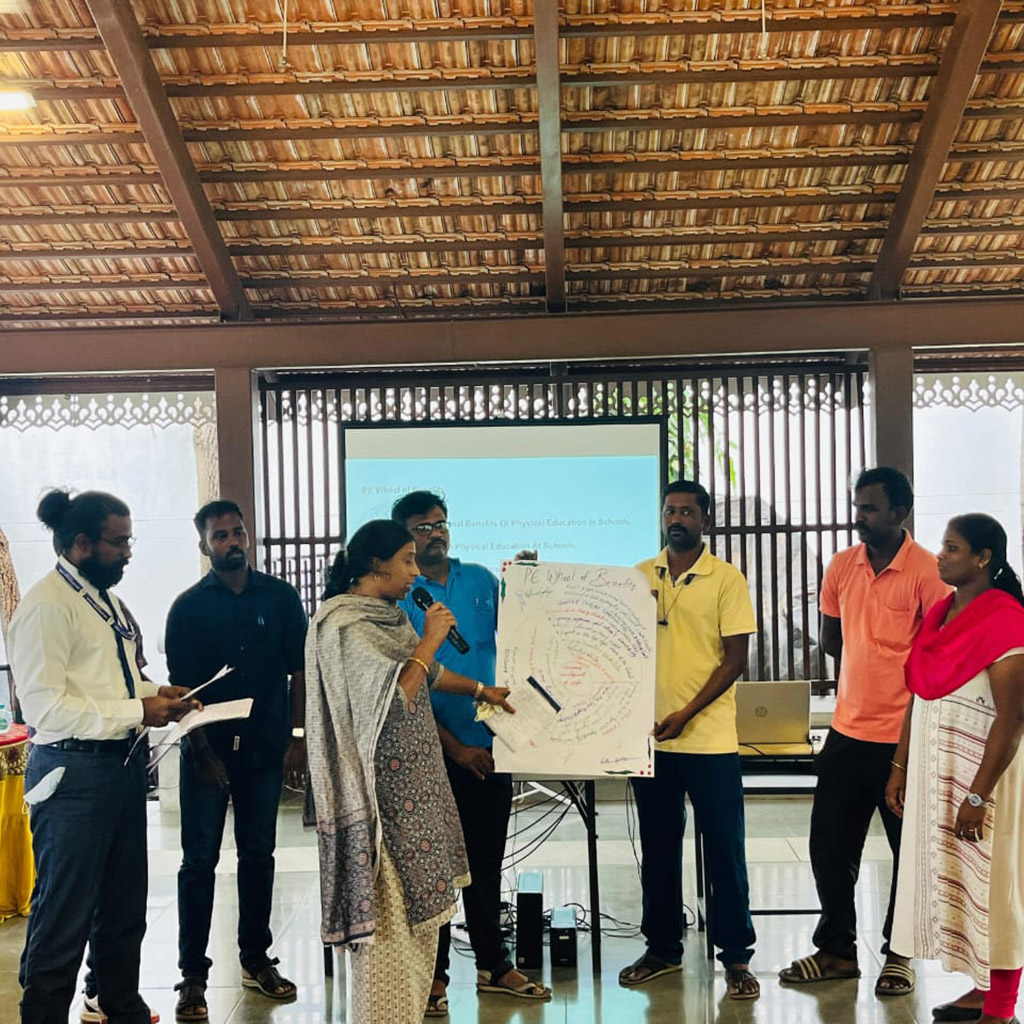
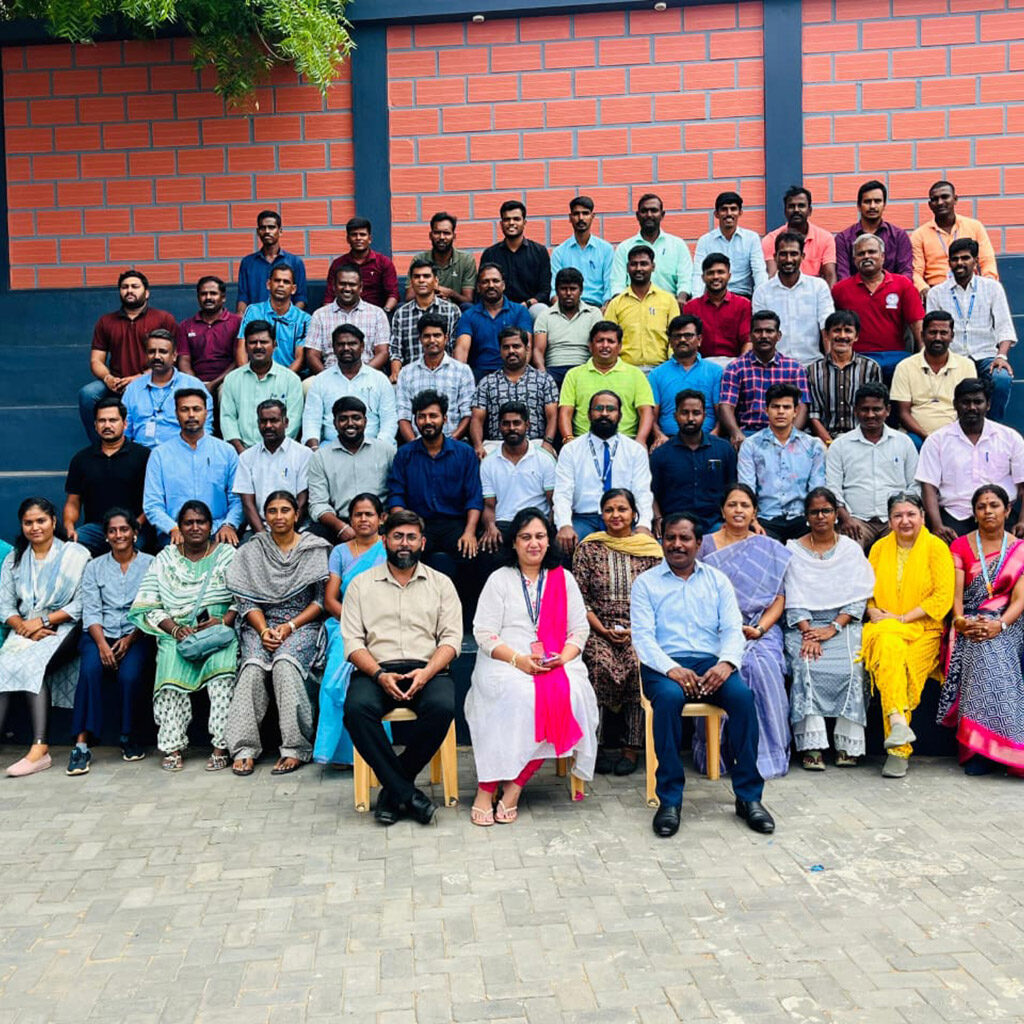
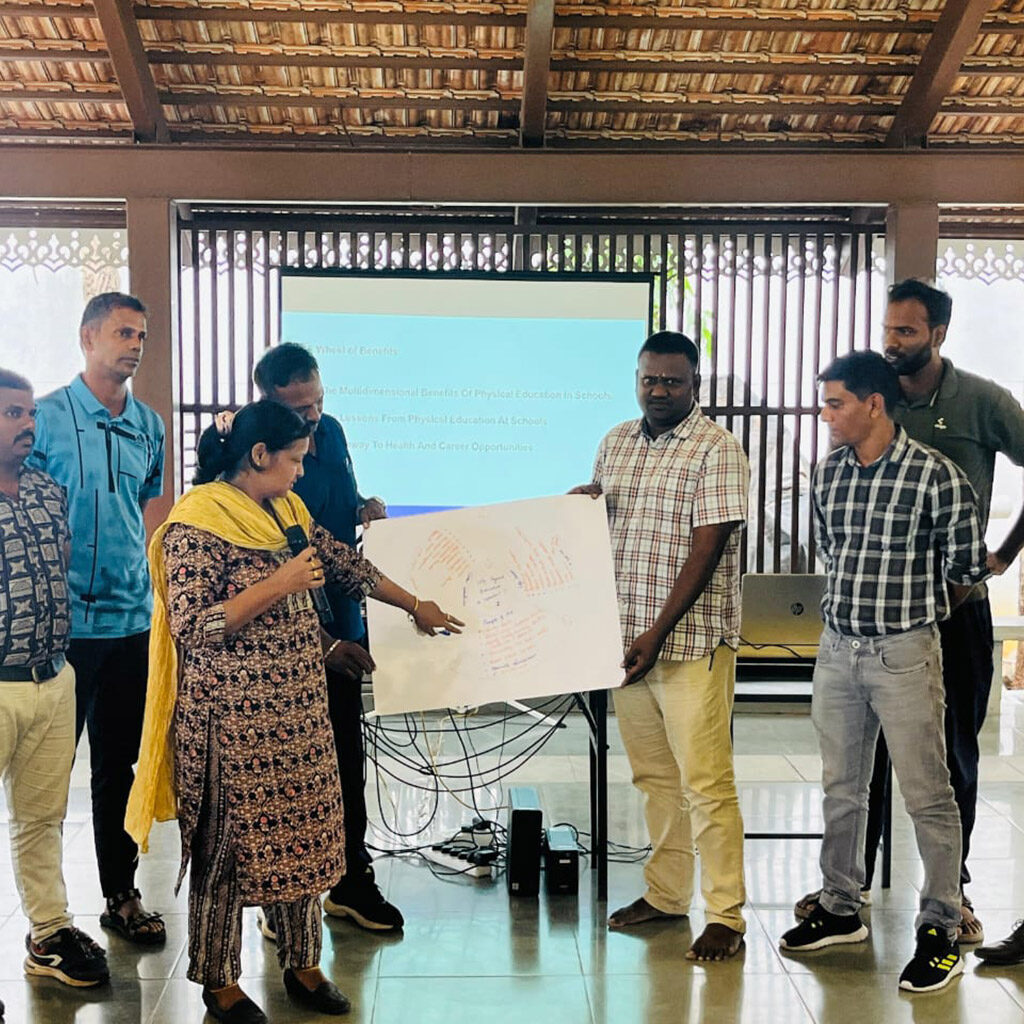
Senior Secondary Physical Education Capacity Building Program

A crucial attempt to improve the knowledge, abilities, and pedagogical approaches of physical education instructors is the Senior Secondary Physical Education Capacity Building Program. Teachers will be prepared to provide thorough and efficient physical education to students in Classes XI and XII thanks to this program’s design, which is in line with the most recent CBSE curriculum and national education goals.

The following are the program’s main areas of focus:

Curriculum Understanding: Gaining a deeper comprehension of the academic and practical elements of the CBSE Senior Secondary Physical Education syllabus.

Presenting cutting-edge teaching strategies and inclusive practices that encourage learners to think critically, active engagement, and overall development is known as contemporary pedagogy.

Assessment Methods: Educating educators on creating efficient assessment instruments for theory and practical components, emphasizing competency-based learning.

Technology Integration: Giving teachers access to digital tools and resources to improve student engagement and the delivery of physical education.

Raising awareness of fitness, nutrition, and mental health while incorporating these ideas into regular classroom instruction is known as health and wellness education.

Enhancing teachers’ abilities to coach and guide students in a variety of physical activities and sports while maintaining compliance with national and international standards is known as skill development and sports training.

This program encourages teachers to share best practices, be creative in their instruction, and support students’ mental and physical health as a step toward professional enrichment. Additionally, it aligns with the National Education Policy (NEP) 2020’s overarching goals, which prioritize life skills, fitness, and experiential learning.

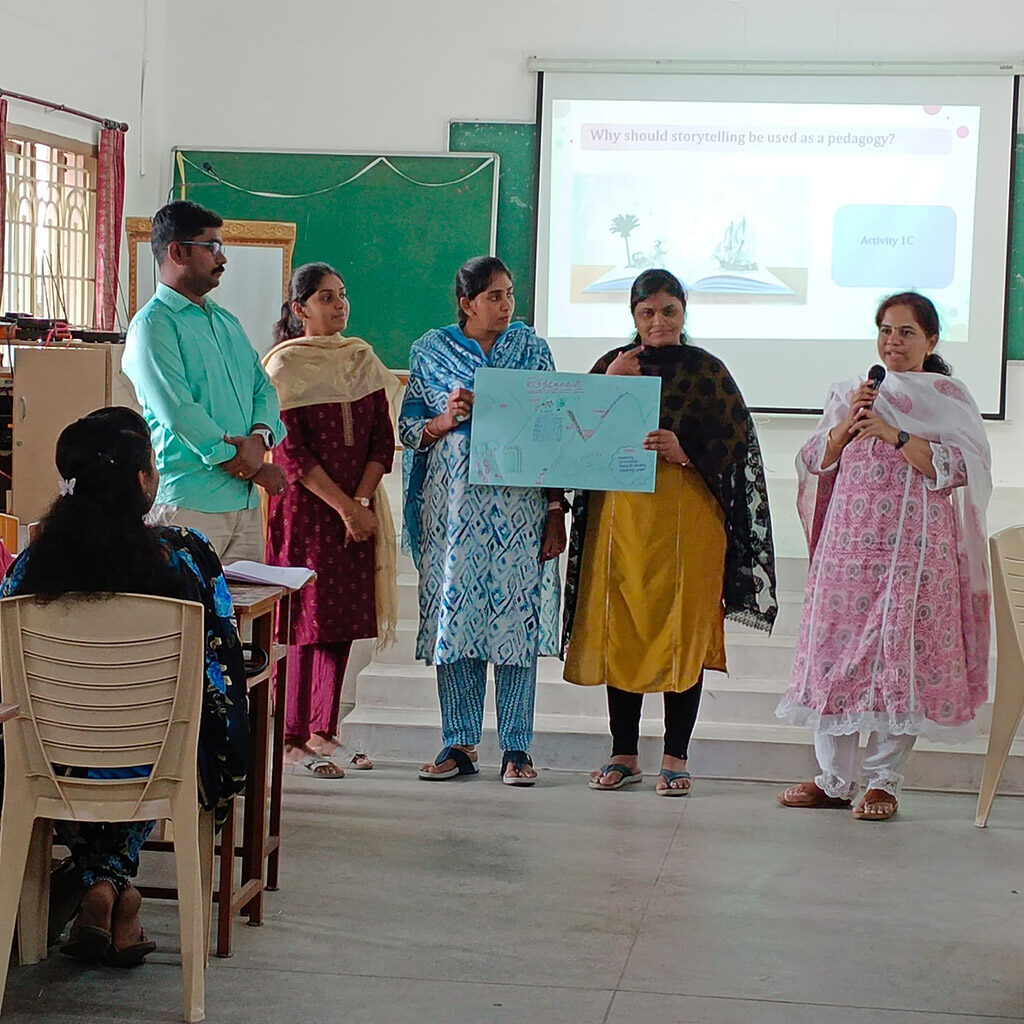
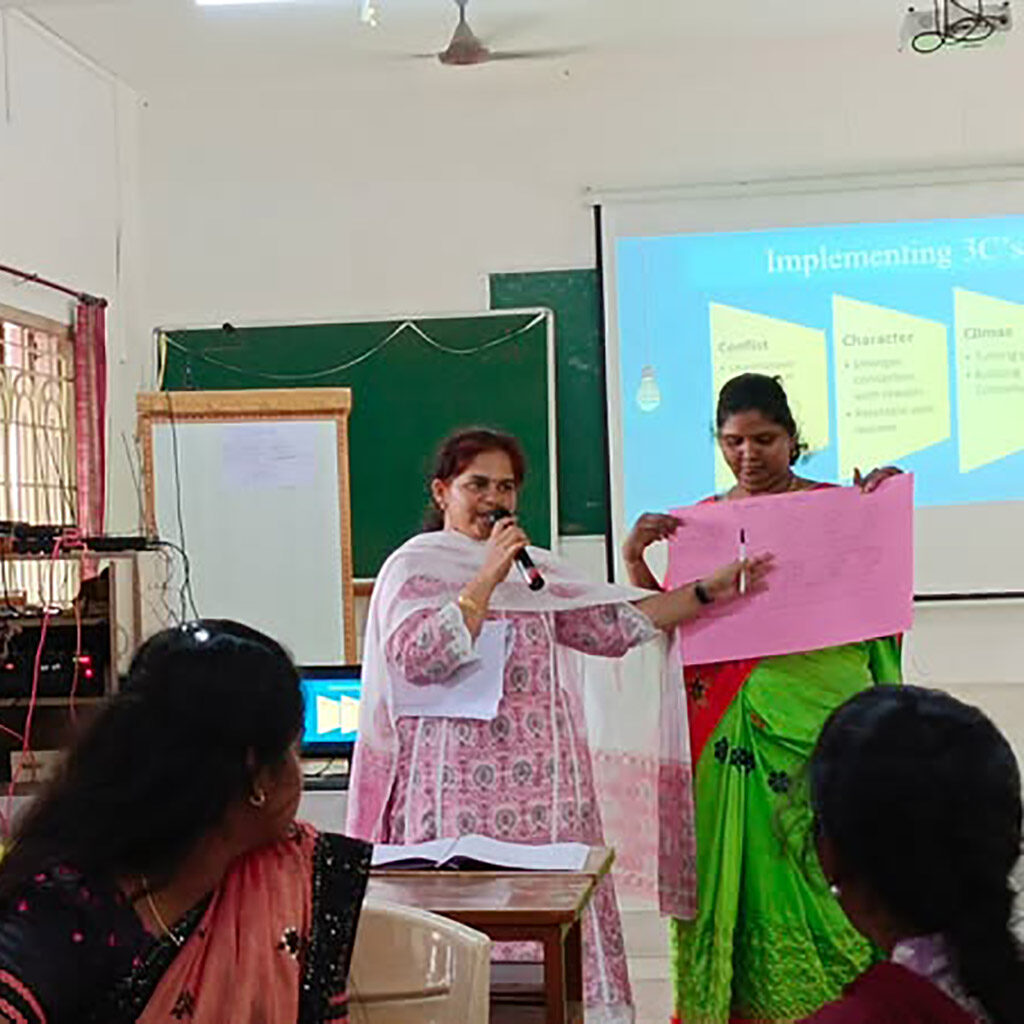
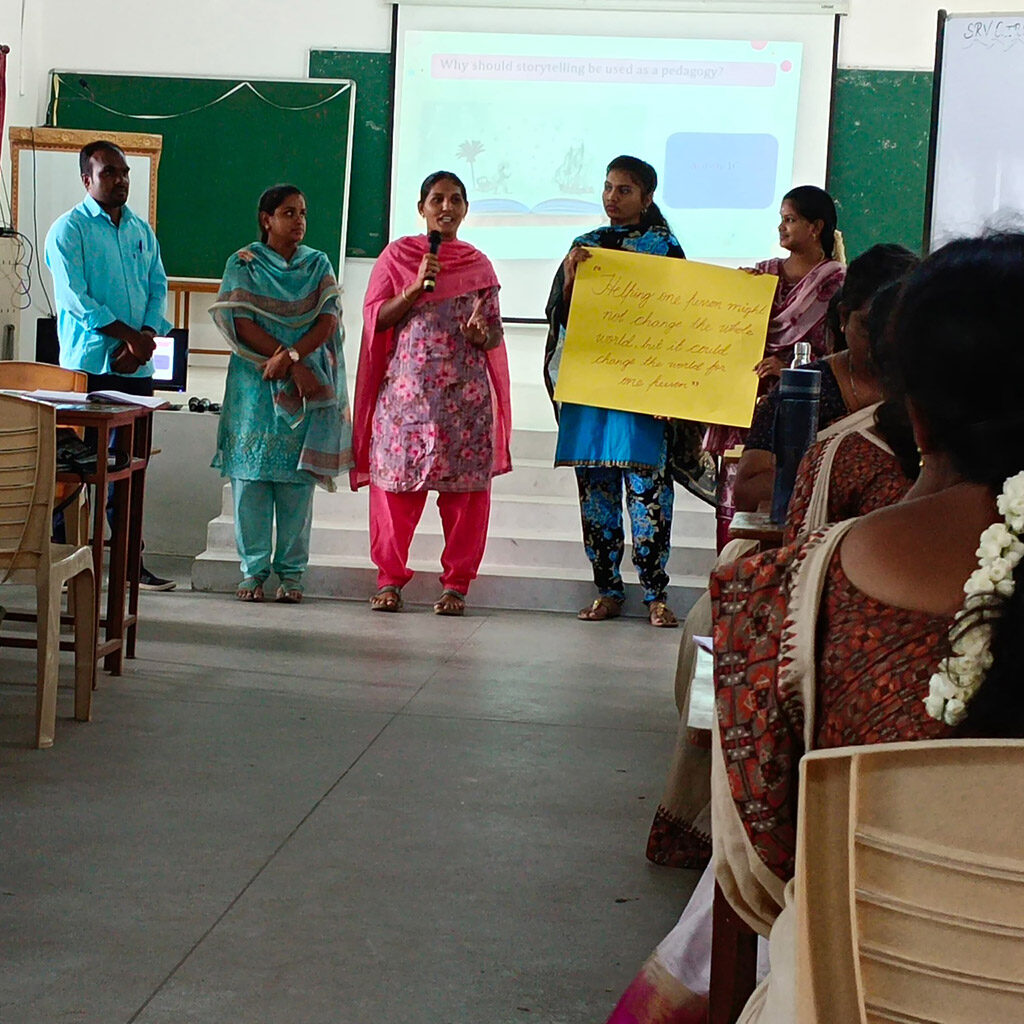
Storytelling as a Pedagogical Tool

Our Pre-Primary and Primary educators recently participated in an enriching session on Storytelling as a Pedagogical Tool. The session delved into the essential elements of storytelling characters, setting, plot, conflict, and resolution and how these can be effectively used to deliver curriculum content. Teachers explored how stories can spark imagination, enhance listening skills, and make abstract concepts more concrete for young learners.

Through hands-on activities and interactive demonstrations, educators discovered how storytelling can be seamlessly woven into subjects like Math and science to make learning more contextual and meaningful. The session also highlighted techniques to encourage student participation and emotional connection through stories.

Empowered Acharyas, Inspired Learners: A Journey from Chettinad Vidya Mandir to Riverside School

A team of Acharyas from Chettinad Vidya Mandir – Lilly Vimala A, Geetha P, Divya T, and Thilagavathy S – had the enriching opportunity to attend a 4 – day training session at the inspiring Riverside School, Ahmedabad.

Riverside isn’t just a school – it’s a movement that nurtures learner agency, empathy, and creativity. Their innovative practices aim to transform learners into designers of their own learning journeys, moving beyond content delivery to foster curious minds and compassionate hearts.

Some of the impactful strategies the Acharyas observed and aspire to implement at Chettinad Vidya Mandir include:

🔹 Conglomerate learning

🔹 Agenda setting

🔹 Closing the loop

🔹 Surplus mindset

🔹 The FIDS process (Feel -Imagine – Do – Share)

🔹 Board protocol – Planning for purpose

🔹 Learner voice and ownership

The Acharyas explored vibrant classroom practices – where learning is joyful, purposeful, and deeply empowering.

They return inspired, carrying fresh ideas and a renewed sense of purpose – to reimagine education and guide CVM learners to thrive with curiosity, empathy, and confidence in a changing world. 

Capacity Building Programs  on School Health and Wellness

Capacity Building Programs are conducted by CBSE in order to train the educators in Subject specific and Generic programs. The National Public School, Namakkal hosted a capacity building program under the title,”School Health and Wellness” on the 21st and the 22nd of May 2025. Mr. Girish, the Principal of PSG public school, Coimbatore and Dr.Karpagam. C. Arasappan, the Principal of Edison International school, Erode were the resource persons for this program. The discussed themes were Growing up Healthy, Emotional well being and mental health,Interpersonal relationship, Values and responsible citizenship, Gender Equity, Health, Nutrition and Sanitation, Prevention and Management of substance abuse, Promotion of Healthy lifestyle, Reproductive health and HIV prevention, Safety and security against violence and Injuries and Promotion of safe use of Internets, Gadgets and Media. 

The resource persons elaborated these themes connecting to the present trend of children and the culture which are prevailing among them. This session insisted that the school, teachers and the parents should take the lead in guiding children on these topics which will help them to track their behaviour and actions.

Capacity Building Program on Learning Outcomes and Pedagogies

The Capacity Building Program on Learning Outcomes and Pedagogies was held on April 19, 2025, at Sri Ramakrishna Central School, Coimbatore.

It was a valuable session that emphasized the importance of defining learning objectives and outcomes after planning lessons. The session introduced the SMART framework (Specific, Measurable, Attainable, Relevant, Time-Bound) for setting effective goals and explored Bloom’s Taxonomy across the Cognitive, Affective, and Psychomotor domains to promote deeper thinking.

By linking 21st century skills with competency-based outcomes, the session brought a practical application to teaching.

Innovative methods such as active, collaborative, inquiry-based, and experiential learning approaches were introduced to make learning more inclusive and engaging.

The session reinforced how clear learning outcomes enhance lesson planning, improve focus, and better prepare students for success.

Learning Experience Workshop at Riverside Learning Center

Two of the coordinators attended a four -day workshop at the Riverside Learning Center at Ahmedabad, where they delved into the ‘I CAN Approach’ to learning . This program focused on intentionally building both content and character. Throughout the training, they explored strategies such as designing effective morning meetings, implementing blackboard protocols, setting clear agendas, closing the loop and making learning visible and surplus. They also learned the importance of planning with purpose. After the workshop, they eagerly shared their insights and learning with the acharyas at CVM.

Empowering Our Educators

The facilitators of CVM, Karur, participated in an enriching two-day workshop titled “Vision in Action and Competency Building,”  led by Ms. Trayee Sinha, Director, Chettinad Educational Services.

This session provided facilitators with an opportunity to review and realign with the school’s vision. In her presentation, Ms. Sinha highlighted how purposeful actions can profoundly motivate and impact learners.

In addition to sharing insights into how the brain stores information, she stressed the importance of mind mapping as a learning tool. Criteria for creating effective mind maps were thoroughly discussed, offering practical techniques for maximising retention.

Overall, the workshop provided strategies to support and align with the school’s vision, encouraging meaningful growth as a team. The facilitators deeply appreciated this session, finding it both inspiring and helpful for their journey to nurture purposeful development within the school community.

Goals of National Curriculum Framework – Foundation stage

P.Geetha, V.S.Pavithra, and G.Narmadha attended the session on Goals of National Curriculum

  • Framework – Foundation stage
  • The workshop gave a clear view of Balvatika and Jadui pitara. The highlights of the workshop were
  • Concept of Balvatika – Preparing students for cognitive and linguistic competencies.
  • Affiliation Bye-laws.
  • Panchakosha Vikas ( Give fold development)
  • Curricular goals for five koshas were discussed in detail.
  • Types of lesson planning – Teacher-directed, teacher-guided, and child-led activities.
  • Panchaadi learning process – Aditi, Bodh, Abhyas, Prayog, Prasar
  • Assessment – Gathering information from different sources ( parents, other teachers, and peers)
  • ECCE -Early childhood care and education
  • Fundamental principles of NCF
  • Details about circulars – Clarification regarding the number of permissible sessions, various categories of affiliation for the session 2024 -25 in SARAS 4.0
  • Jadui Pitara (Magic box) –  A collection of teaching learning materials was introduced by NCERT for teaching learning purposes. It includes poem posters, story cards, tracing cards, puppets, etc
  • State / regional specific customization of toy-based learning – includes mud toys, wooden toys, and palm tree products.
  • Digital version of Jadui Pitara’

Teacher Training Programmes Foundation Stage

Adolescence Education

E.Indhumathi and S.Vanitha attended the Adolescence education on August 17thand 18th.
Adolescence education program for teachers was conducted by CBSE which spoke about the period of transition from childhood to adolescence during which cognitive, physical, personality, and social changes occur with adolescents. We gained an insight into physical changes like bones, organs and body system, sleep patterns, and mensuration. Social and emotional characteristics like labile emotions, personal identity, peer relationship, independence, self-centred attitude and socialization were also dealt with, in detail. They also focused on bullying, body shaming and physical changes they undergo and the ways to take care of themselves. Placing ourselves in the position of the students by connecting with our adolescence in the past was effective for our better understanding and to reflect. Many video clippings were highly effective. The session ended with a discussion on the elements of Child centric School like non- judgmental, ignite varied skills, no labelling, empathetic, equality, bliss and safety by implementing anti bullying policies and fostering a positive school culture.

CBSE Capacity Building Programme

Capacity Building Program

S.Vanitha attended the session about the Capacity Building Program -Business Studies PSG School, Coimbatore- The capacity building program for teachers fostered a comprehensive understanding of curriculum, syllabus, question patterns, and enriched resources, empowering educators for effective pedagogy.

Capacity Building Program -Business Studies PSG School

S.Uma has attended the Capacity Building Program. Through this session, we understand the gist of the national curriculum framework for the foundational stage. This session helped me to create a lesson plan to reach the expectations of NCF.

Capacity Building Program session

XSEED Session

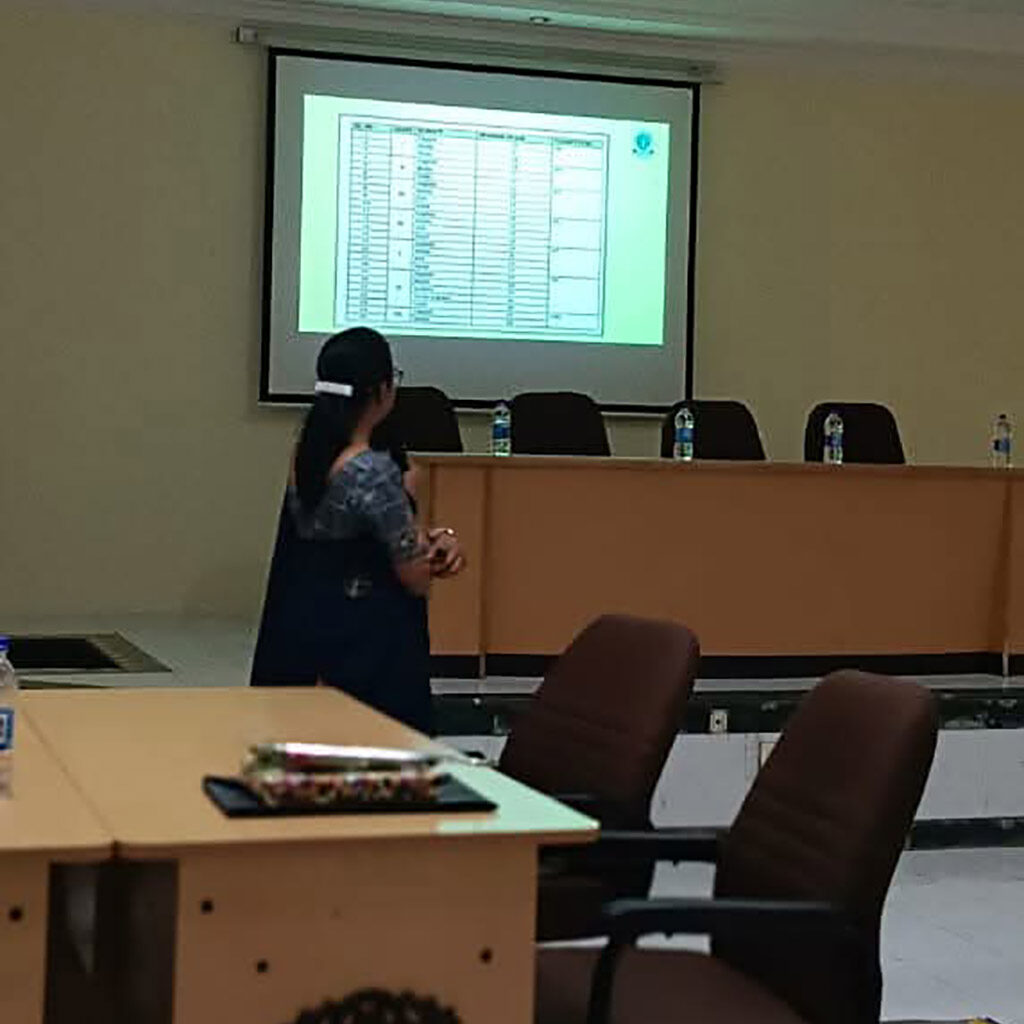
XSEED sessions are held frequently to assess the teaching methodologies of Acharyas and to update if any necessary changes take place in the curriculum. In such a way, this session focused on elucidating the importance of three key skills and their sub-skills necessary for facilitators in the 21st century, providing clarity on lesson planning. The framework discussed proved beneficial for classroom management, emphasizing the importance of understanding, solving, and communicating skills along with the 5 As of Xseed. The session stood out for its innovative approach, introducing new concepts like the 4 A’s for feedback and giving constructive feedback for the classes demonstrated. Participants gained valuable knowledge about the updated XSEED methods.

Xseed Session at CVM