
Education in India is going through big changes with the introduction of the CBSE’s new education policy. This policy aims to prepare students for a fast-changing world by bringing in new ways of learning, updated curricula, and better ways to measure progress. It focuses on practical skills, emotional intelligence, and overall growth. For parents and students, understanding the CBSE new education policy is important not just for academics, but also for getting ready for the future.
In this blog, we will explain what the CBSE new education policy means, why it is important, and how it affects learning from early years to higher classes. We will keep things clear and easy for parents to understand.
1. A Shift Towards Holistic and Skill-Based Learning
A major change in the CBSE’s new education policy is moving from just academic scores to overall development. Instead of only focusing on textbooks, CBSE now highlights skills like analytical thinking, digital literacy, communication, arts, sports, and learning values. Students are encouraged to try different subjects, which helps build creativity and curiosity.
2. New 5+3+3+4 School Structure
The old 10+2 system is being replaced by a 5+3+3+4 structure, which divides the school into four stages:
- Foundational Stage (3 years preschool + Grades 1–2)
- Preparatory Stage (Grades 3–5)
- Middle Stage (Grades 6–8)
- Secondary Stage (Grades 9–12)
This new structure in the CBSE policy matches learning with children’s age and development. Parents can expect teaching methods that fit each age group and less pressure in the early years.
3. Reduced Exam Pressure & Flexible Assessment
Old-style big exams often made students and parents anxious. TheCBSEe new education policy now uses ongoing assessments, mixing different types of test. Students will be assessed through:
- Projects & assignments
- Practical activities
- Oral quizzes
- Portfolios
- Term-wise assessments
This helps students understand and remember what they learn, instead of just memorizing facts.
4. Early Childhood Education Becomes a Priority
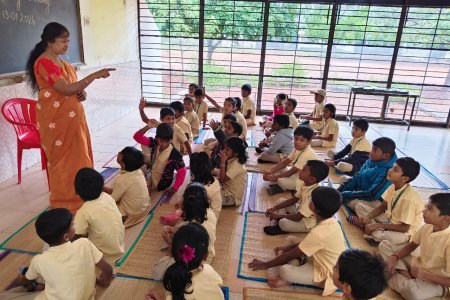
The CBSE New Education Policy strongly emphasizes foundational learning. Early childhood years are now recognized as critical for cognitive and emotional development. NEP supports activity-based learning, storytelling, numeracy, language development, and social learning in preschool and primary grades.
5. Multilingualism & Regional Languages Encouraged
Language flexibility is an important part of the CBSE New Education Policy. Students may receive instruction in regional languages, alongside English or Hindi, which enhances comprehension and cultural identity. Learning multiple languages also boosts memory and creative thinking.
6. Vocational & Skill-Based Subjects Introduced Early
Starting in middle school, the CBSE new education policy lets students try out vocational subjects like coding, design, carpentry, farming, business, or money management. This helps students learn about different careers early and makes vocational fields more accepted.
7. Emphasis on Digital Literacy & Tech Integration
The world is becoming digital-first, and the world is now focused on technology, and the CBSE new education policy follows this trend. Computer skills, digital research, coding, AI basics, and online learning tools are now part of the regular curriculum. This helps students get ready for jobs in a tech-driven world. These are the days of one-sided lectures. The cbse new education policy promotes hands-on experiences, experiments, labs, field projects, and collaborative activities. These learning experiences make concepts more relatable and engaging for students, while boosting critical thinking skills.
9. Choice-Based Subjects & Multidisciplinary Flexibility
With the CBSE’s new education policy, students can pick subjects from different streams, like science, commerce, and humanities, based on what they like. This flexibility supports different talents and lets students try out their interests before choosing a career.
10. Focus on Mental Health & Emotional Wellbeing
NEP recognizes that education is not just academic — it’s emotional. Under the cbse new education policy, schools pay attention to stress management, psychological support, peer bonding, and confidence-building activities. Health, sports, and arts now hold equal importance in shaping well-rounded individuals.
11. Parental Involvement Increases
Parents play an important role in the CBSE new education policy. Schools may hold more interactive parent-teacher meetings, workshops, and feedback sessions to work together in supporting each child’s learning.
12. Teacher Training & Modern Pedagogy Upgrades
Teachers move from being information providers to facilitators and mentors. The cbse new education policy offers training programs, new teaching methodologies, and digital tools for teachers to support a dynamic learning environment.
13. Inclusion & Accessibility for All Learners
The NEP is focused on being inclusive. The CBSE new education policy supports students with different abilities, backgrounds, and learning speeds. It aims to give everyone equal chances and create a fair, supportive education system.
14. Career Guidance & Counseling Support
As new job options appear, the CBSE new education policy includes career guidance and counseling from early grades. Students learn about different industries, needed skills, and how to plan for their future careers.
15. Real-World Application of Knowledge
A main goal of the CBSE new education policy is to connect learning with real-life situations. Students are encouraged to analyze, research, present, innovate, and create. These skills match what is needed in today’s workplaces.
What Should Parents and Students Do Now?
Here are some helpful steps to adapt to the CBSE new education policy:
- Be open to multidisciplinary learning
- Encourage reading and research habits
- Support digital literacy
- Explore extracurriculars and skills
- Reduce pressure tied to exams
- Promote curiosity and creativity
The Right School Makes Implementation Matter
The CBSE new education policy is changing how children learn, grow, and get ready for the future in a positive way. However, how much students benefit depends on how well schools put the policy into practice.
Vidya Mandir Karur, the best CBSE School in Karur stands out for adapting NEP’s principles through holistic learning, tech integration, value-based teaching, and active parental engagement. The school creates an environment where policy meets practice, helping students become confident, curious, and future-ready achievers.
For parents looking for a school that follows the CBSE new education policy, Vidya Mandir Karur is a great choice for both learning and personal growth.
FAQ
1. What is the CBSE New Education Policy?
The is a reformed education framework that promotes holistic development, flexibility, and modern skill integration.
2. Does NEP remove board exams?
No, but the cbse new education policy reduces pressure through phased evaluations, multiple attempts, and diversified assessment styles.
3. How does NEP benefit students?
The cbse new education policy helps students become independent thinkers, confident communicators, and future-ready learners.
4. Is vocational learning compulsory?
With the CBSE new education policy, students can try vocational subjects, but they do not have to take all of them.
5. Will regional languages replace English?
No, the CBSE new education policy just gives students the option to learn in different languages while still supporting English skills.